
Why are my dog's gums red? The answer is: Your pup's red gums could signal anything from mild gingivitis to serious health issues like poisoning or heatstroke. I've seen this concern pop up constantly in my 10 years working with pet owners - and here's what you need to know immediately: red gums often mean discomfort or pain, which explains why your dog might be avoiding food. While some causes are simple like gum disease, others like toxicity require emergency care. Let me break down the key symptoms you should watch for - panting, bleeding gums, or unusual textures could mean it's time to rush to the vet. The good news? Many cases can be treated effectively if caught early, especially with proper dental care that we'll discuss later in this guide.
E.g. :Peritonitis in Cats: Symptoms, Causes & Treatment Options
Advertisement
- 1、Understanding Red Gums in Dogs
- 2、Why Do Dogs Get Red Gums?
- 3、How Vets Figure Out the Cause
- 4、Treatment Options for Red Gums
- 5、Your Burning Questions Answered
- 6、Beyond the Basics: Exploring Canine Gum Health
- 7、Prevention That Actually Works
- 8、When Home Care Isn't Enough
- 9、Myth-Busting Canine Dental Health
- 10、FAQs
Understanding Red Gums in Dogs
What Do Red Gums Mean for Your Pup?
Hey there, fellow dog lover! Let's talk about something we often overlook - our furry friend's gum health. Red gums in dogs can be like a warning light on your car's dashboard. They might signal anything from simple gingivitis to more serious conditions like periodontal disease or even oral cancer.
Imagine this: You're giving your dog a belly rub and notice their gums look more like strawberries than bubblegum. That's when you should pay attention. The redness could come from injury, something toxic they ate, or just being too hot. But here's the important part - red gums often mean discomfort, which might explain why Fido's been turning up his nose at dinner lately.
When Should You Really Worry?
Not every case of red gums means panic time. But if you see your dog panting like they just ran a marathon while lying still, acting super tired, or tilting their head like they're confused by life, that's your cue to call the vet ASAP.
Let me paint a clearer picture with some common symptoms that tag along with red gums:
| Symptom | Possible Cause |
|---|---|
| Bad breath that could knock you over | Gingivitis or periodontal disease |
| Bleeding gums | Injury or poisoning |
| Heavy panting | Overheating |
| Bumpy gum texture | Warts or cancer |
Why Do Dogs Get Red Gums?
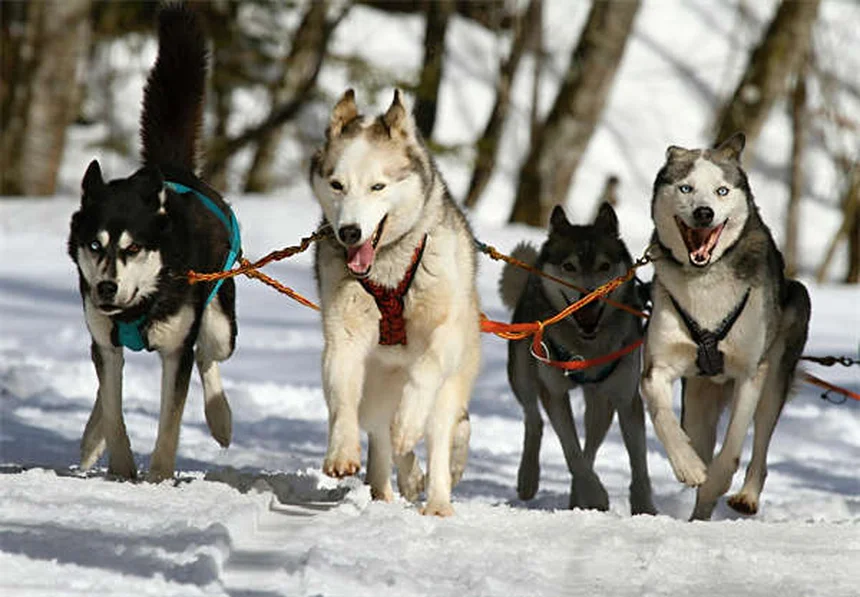 Photos provided by pixabay
The Usual Suspects: Gum Disease and More
Ever skipped brushing your teeth for a few days and felt that fuzzy coating? Dogs get that too, but worse. When bacteria throw a party at the base of their teeth, it leads to tartar buildup and inflamed, red gums - what we call gingivitis. Left unchecked, this can turn into full-blown periodontal disease.
But wait - did you know crowded teeth can cause this too? Picture a teenager with too many teeth for their mouth - it's like a subway at rush hour in there! And just like us, as dogs age, their gums might naturally get redder or puffier.
The Less Common Culprits
Here's something you might not expect: that stick your dog loves chewing? It could actually stab their gums! Injuries from sharp objects are a common cause of redness. And if your pup got into something toxic - say, licking a toad or nibbling a poisonous plant - those gums might turn cherry red.
Ever seen your dog panting heavily on a hot day? That's not just them being dramatic. Overheating can make their gums turn red too. And in rare cases, underlying diseases like cancer or diabetes might be the hidden cause.
How Vets Figure Out the Cause
The Detective Work Begins
When you bring your dog in for red gums, your vet becomes Sherlock Bones (get it?). They'll start with a thorough exam of your dog's mouth and overall health. But sometimes they need to dig deeper with:
- Dental X-rays (maybe with some sleepy-time medicine so your dog stays still)
- Blood and urine tests to check for hidden illnesses
- In tricky cases, fancy scans like CT or MRI to rule out serious conditions
 Photos provided by pixabay
The Usual Suspects: Gum Disease and More
Here's a question you might be wondering: "Can't I just figure this out at home?" The truth is, red gums can mean so many different things that even the best pet owner needs professional help. Your vet has the tools and training to tell whether it's simple gingivitis or something more serious that needs special treatment.
Treatment Options for Red Gums
Fixing Dental Problems
If it's a dental issue causing the redness, your vet will probably start with a deep cleaning - think of it as a spa day for your dog's teeth! They'll scrape off all that nasty plaque and tartar buildup. For more serious cases, your pup might need some teeth removed, especially if overcrowding is the problem.
Here's a pro tip: prevention is way better than treatment. Regular tooth brushing (yes, dogs need that too!) and dental chews can keep those gums pink and healthy.
Handling Other Causes
Some gum issues like warts might clear up on their own, while others like tumors might need surgery. And if an underlying illness is to blame, treating that condition will usually help the gums too. The key is getting the right diagnosis first!
Your Burning Questions Answered
 Photos provided by pixabay
The Usual Suspects: Gum Disease and More
Healthy gums should look like bubblegum pink. But when things go wrong, they can turn:
- Red: Could be anything from gum disease to poisoning
- Pale/white: Might mean anemia
- Blue: Often signals oxygen problems
- Yellow: Could point to liver issues
Can I Treat This at Home?
Another common question: "Isn't there something I can do myself?" While you might be tempted to try home remedies, red gums really need professional attention. Your vet can pinpoint the exact cause and recommend the right treatment, whether it's dental care, medication, or something else entirely.
Remember, catching gum problems early can save your dog from pain and save you from bigger vet bills down the road. So next time you're giving your pup some love, take a peek at those gums - their health might depend on it!
Beyond the Basics: Exploring Canine Gum Health
The Hidden Connection Between Diet and Gum Health
You wouldn't believe how much your dog's kibble affects their gums! Dry food actually helps scrape plaque off teeth while they chew, acting like nature's toothbrush. But here's the kicker - those fancy wet foods that smell like human dinner? They stick to teeth like glue, creating a bacteria buffet.
Let me share a personal story about my neighbor's Labrador, Max. His owner swore by premium canned food, but after six months, Max developed such severe gingivitis that he needed three teeth pulled. The vet suggested mixing in dental kibble or raw carrots (nature's chew toys) to help clean his teeth. Now Max has pink gums again and happily crunches carrots like they're doggy candy!
Breed-Specific Gum Challenges
Did you know small breeds like Chihuahuas and Yorkies are basically walking gum disease time bombs? Their tiny mouths cram full-size dog teeth into spaces the size of postage stamps. It's like trying to park an SUV in a compact car spot - something's gotta give!
Compare these popular breeds and their gum risks:
| Breed | Gum Risk Level | Why? |
|---|---|---|
| Greyhound | Low | Large mouths with good spacing |
| Pug | High | Crowded teeth + breathing issues |
| Golden Retriever | Medium | Loves chewing but prone to gum overgrowth |
Prevention That Actually Works
Brushing Techniques That Won't Get You Bitten
Here's a fun fact - most dogs actually enjoy tooth brushing once they get used to it. The secret? Make it a positive experience with chicken-flavored toothpaste (yes, that exists!) and lots of praise. Start by letting them lick the toothpaste off your finger, then gradually introduce the brush over several days.
My cousin's terrier mix, Daisy, used to run at the sight of a toothbrush. Now she comes running when she hears the toothpaste tube open! The trick was pairing brushing with her favorite game - after each session, they'd play fetch with her beloved tennis ball. Positive reinforcement works wonders.
Chew Toys That Pull Double Duty
Not all chew toys are created equal when it comes to gum health. Those cheap rawhide bones? They can actually shred gums if pieces break off wrong. Instead, look for:
- Rubber toys with nubs that massage gums
- Dental ropes that floss between teeth
- Frozen carrots (nature's toothbrush + tasty treat)
- Veterinary-approved dental chews with the VOHC seal
When Home Care Isn't Enough
Signs You Need Professional Help
How do you know when red gums cross from "I'll watch it" to "Emergency vet visit"? If your dog stops eating, starts drooling excessively, or develops a foul odor that makes your eyes water, it's go-time. These aren't just dental issues - they're pain signals your pup can't verbalize.
Remember my friend's beagle who ignored red gums until he stopped eating? The vet found an abscess so large it required surgery. The $1,200 bill hurt worse than the dog's mouth! Moral of the story: early intervention saves money and misery.
What Really Happens During a Dental Cleaning
Ever wonder why dog dental cleanings cost so much? It's not just a quick brush-and-polish like your hygienist does. Dogs get:
- Full anesthesia (for their safety and the vet's)
- Digital X-rays to check below the gumline
- Deep scaling on every tooth surface
- Polishing to smooth microscopic scratches
- Possible extractions if teeth are beyond saving
Myth-Busting Canine Dental Health
Does Kibble Really Clean Teeth?
Here's a question that stumps many owners: "If dry food cleans teeth, why do dogs still get plaque?" The truth is, while kibble helps, it's like using a broom on a sticky floor - better than nothing but no substitute for real cleaning. The shape and chewing action matter more than the "dental" label on the bag.
The Raw Food Debate
Some raw feeders swear their dogs have perfect teeth, but vets see plenty of raw-fed dogs with dental issues. The reality? Chewing meaty bones helps, but the diet itself doesn't magically prevent plaque. And those bones? They can fracture teeth if they're too hard. It's about balance - like most things in life!
At the end of the day, whether you feed kibble, raw, or home-cooked, nothing replaces regular dental care. Your dog's gums are the gateway to their overall health - keeping them pink and healthy means more years of sloppy kisses and happy tail wags!
E.g. :Red Gums in Dogs: 9 Causes & When To See Your Vet - Dr. Buzby's ...
FAQs
Q: What does it mean when my dog's gums are bright red?
A: Bright red gums in your dog can be a real red flag (pun intended)! From my experience working with veterinarians, this intense coloration often signals one of three things: inflammation from gum disease, reaction to toxins, or overheating. Think of it like your dog's mouth sending an SOS signal. If the redness appears suddenly along with symptoms like excessive drooling or lethargy, don't wait - get to your vet immediately. I've seen cases where cherry-red gums indicated heatstroke, which can become life-threatening within hours. For milder cases, it might just mean your pup needs a dental cleaning, but let a professional make that call.
Q: How can I tell if my dog's red gums are serious?
A: Here's my quick checklist from years of pet care consulting: First, check for other warning signs like bad breath (worse than usual dog breath), bleeding, or that "cobblestone" texture vets talk about. Second, monitor your dog's behavior - are they eating normally or acting off? Third, consider recent activities - did they chew something sharp or get into the trash? What I tell all my clients: when in doubt, get it checked out. Even if it turns out to be nothing serious, you'll have peace of mind. I remember one case where a client waited too long, and simple gingivitis turned into advanced periodontal disease requiring multiple extractions.
Q: Can I use human toothpaste for my dog's red gums?
A: Absolutely not! This is one of the most dangerous misconceptions I encounter daily. Human toothpaste often contains xylitol, which is like poison for dogs - it can cause liver failure. Instead, use toothpaste specifically made for dogs, available at any pet store. When my own Labrador developed red gums, our vet recommended enzymatic dog toothpaste and a soft-bristled brush. Pro tip: Start slow with the brushing - most dogs need time to get used to it. Make it positive with treats and praise. If brushing isn't possible, ask your vet about dental wipes or water additives that can help reduce plaque and inflammation.
Q: Are some dog breeds more prone to red gums?
A: You bet! Through my work with breed-specific rescues, I've noticed small breeds like Yorkies and Chihuahuas often develop gum issues earlier in life. Their tiny mouths mean teeth are crowded, creating perfect plaque traps. Brachycephalic breeds (those cute smush-faced dogs like Bulldogs and Pugs) also tend to have more dental problems. But here's something surprising - large breeds like Labs can get viral papillomas (wart-like growths) that make gums appear red and bumpy. Regardless of breed, I always recommend starting dental care young and getting annual professional cleanings after age 3.
Q: What's the best way to prevent red gums in dogs?
A: After helping hundreds of pet owners, here's my proven prevention formula: 1) Daily tooth brushing (yes, daily!) with dog-safe products, 2) Annual veterinary dental checkups, 3) Appropriate chew toys that clean teeth (look for VOHC approval), and 4) A healthy diet - some kibbles are designed to reduce plaque. I've seen dramatic improvements when clients stick to this routine. One golden retriever went from near-constant gum inflammation to perfect pink gums in just three months with consistent care. Remember, prevention isn't just about avoiding vet bills - it's about keeping your dog comfortable and happy for years to come!