
Does your dog's breed determine their personality? The answer is: not as much as you might think! Recent studies show that breed only explains about 9% of a dog's behavior - meaning 91% comes from other factors like training, socialization, and environment. I've seen this firsthand with my own dogs and clients' pets. That aggressive Pit Bull might be the biggest cuddlebug, while the friendly Golden Retriever could be shy around strangers. The truth is, your dog's personality is shaped more by their life experiences than their DNA. In this article, we'll break down the real factors that influence your pup's behavior and how you can help them become their best selves - regardless of breed stereotypes!
E.g. :Red Gums in Dogs: Causes, Symptoms & When to Worry
Advertisement
- 1、Does Your Dog's Breed Really Determine Their Personality?
- 2、What Really Shapes Your Dog's Behavior?
- 3、Breaking Down Common Behavior Myths
- 4、Creating the Best Life for Your Unique Dog
- 5、The Bottom Line on Breed and Behavior
- 6、The Hidden Factors That Shape Your Dog's True Personality
- 7、The Science Behind Canine Personalities
- 8、Practical Tips for Nurturing Your Dog's Best Self
- 9、Debunking More Myths About Dog Behavior
- 10、Final Thoughts on Understanding Your Dog
- 11、FAQs
Does Your Dog's Breed Really Determine Their Personality?
The Surprising Truth About Breed Stereotypes
You know how people say "all Labs love water" or "every Chihuahua is yappy"? Well, I've got news for you - that's about as accurate as saying all Americans love baseball and apple pie! Recent research shows that breed only explains about 9% of a dog's behavior. That means 91% comes from other factors!
Let me give you an example from my own life. My neighbor adopted a Border Collie expecting a super-smart, energetic herding dog. Turns out, Max would rather nap on the couch than chase sheep! This doesn't mean Max is broken - it just shows that dogs, like people, have unique personalities beyond their breed stereotypes.
Why Breed Descriptions Can Be Misleading
The American Kennel Club's breed profiles describe idealized versions of each breed, not guarantees. Think of it like reading a college brochure - the pictures show happy students in perfect conditions, but real campus life is much more varied!
Here's a quick comparison of common breed stereotypes versus reality:
| Breed | Stereotype | Reality |
|---|---|---|
| Labrador | Always friendly with kids | Depends on early socialization |
| Chihuahua | Nervous and yappy | Can be confident with proper training |
| German Shepherd | Natural guard dog | Many love cuddles more than patrolling |
What Really Shapes Your Dog's Behavior?
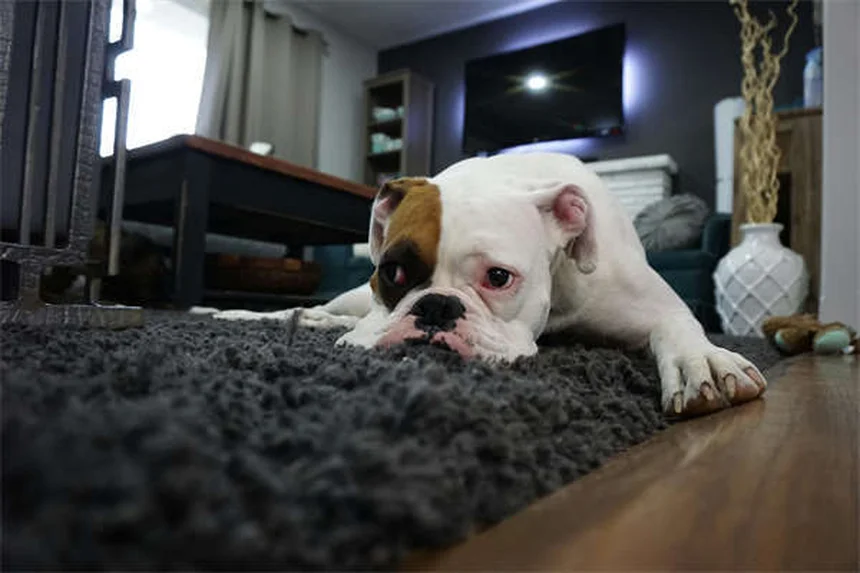 Photos provided by pixabay
Nature vs. Nurture: The Puppy Edition
Did you know that a puppy's first 8 weeks with their mom can shape their personality forever? Skittish mothers often raise skittish puppies, regardless of breed. It's like how kids pick up their parents' mannerisms - except with more tail wagging!
Here's something fascinating: researchers found that puppies who get lots of positive experiences before 16 weeks old tend to be more confident adults. That means exposing your pup to different people, sounds, and surfaces early on is crucial. Think of it as puppy college - the more they learn young, the better they adapt later!
Your Role in Your Dog's Development
Ever notice how dogs often mirror their owners' energy? If you're nervous, your dog might be too. If you're calm and confident, chances are Fido will follow your lead. It's not just about training - it's about the whole lifestyle you create together.
Here are five key factors that shape your dog's behavior more than breed:
- Quality of early socialization
- Consistency in training
- Daily exercise routine
- Nutrition and diet
- Your own behavior and energy
Breaking Down Common Behavior Myths
"My Dog's Breed Makes Them Do This..."
How many times have you heard someone excuse their dog's behavior by saying "it's in their breed"? While certain tendencies exist, no behavior is inevitable. Take barking, for example. Yes, some breeds are more vocal, but any dog can learn better communication habits with patience and training.
Here's a question for you: If breed doesn't determine behavior, why do we still believe the stereotypes? The answer's simple - it's human nature to categorize things. But dogs, like people, defy simple labels!
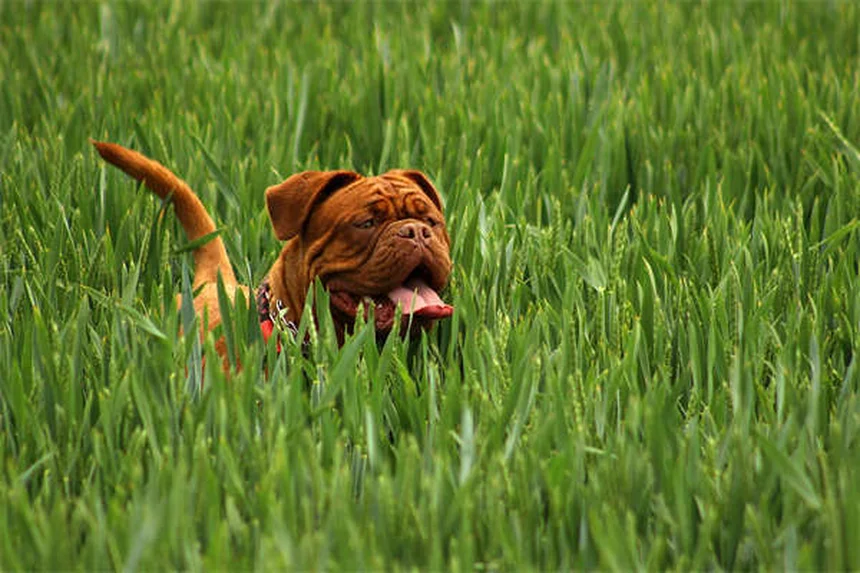 Photos provided by pixabay
Nature vs. Nurture: The Puppy Edition
Most "behavior problems" actually stem from one simple issue: not enough exercise. I don't just mean physical activity either - mental stimulation matters just as much. A tired dog is a good dog, regardless of breed!
Try this experiment: next time your dog seems hyper or destructive, take them for an extra-long walk with plenty of sniffing time. You'll be amazed at the difference it makes. Remember, a bored dog will find their own entertainment - and you probably won't like their creative choices!
Creating the Best Life for Your Unique Dog
Listening to What Your Dog Is Telling You
Your dog communicates constantly through body language. Are you paying attention? A wagging tail doesn't always mean happiness, just like a growl isn't always aggression. Learning to read your dog's signals is more valuable than any breed guide.
Here's a pro tip: spend 10 minutes each day just observing your dog. Notice what makes them comfortable or uncomfortable. This simple practice will help you understand your furry friend better than any stereotype ever could!
Building Confidence Through Experience
Want a well-adjusted dog? Keep introducing them to new positive experiences throughout their life. Socialization isn't just for puppies - it's an ongoing process. Every positive encounter builds your dog's confidence, whether they're 4 months or 14 years old.
Try this: each week, introduce one new experience. It could be meeting a new person, walking on a different surface, or visiting a new place. Keep it positive with treats and praise. Before you know it, you'll have a dog who takes new challenges in stride!
The Bottom Line on Breed and Behavior
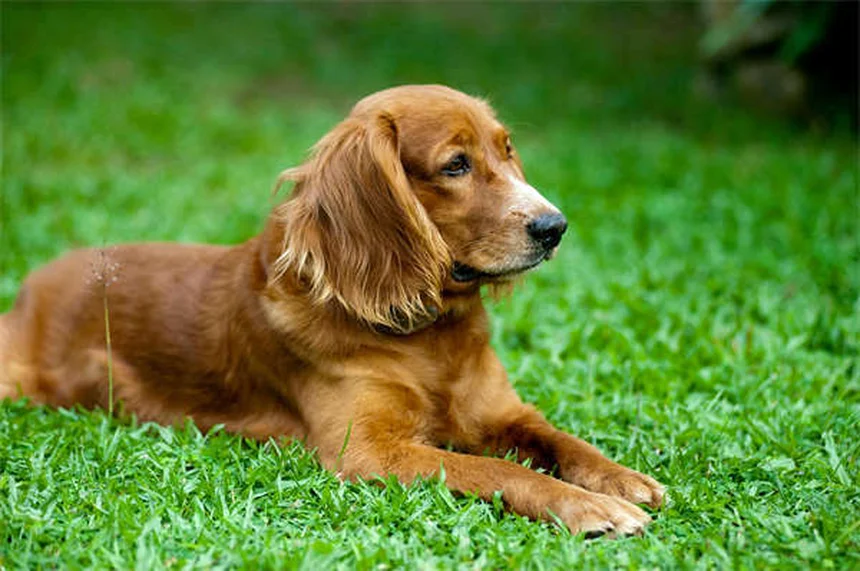 Photos provided by pixabay
Nature vs. Nurture: The Puppy Edition
At the end of the day, your dog is one-of-a-kind. Maybe they fit some breed stereotypes and defy others. That's what makes them special! Instead of focusing on what your dog "should" be like, focus on who they actually are.
Here's my challenge to you: this week, notice and appreciate three unique things about your dog that have nothing to do with their breed. You might be surprised by what you discover!
Creating a Behavior-Friendly Lifestyle
Great dog behavior comes from great dog care. That means proper exercise, nutrition, training, and love. When you meet all your dog's needs, you'll see their best personality shine through - regardless of what any breed book says!
Remember: you're not just a pet owner, you're a life coach for your dog. The environment you create matters more than any genetic predisposition. So take a deep breath, enjoy the journey, and get ready to be constantly surprised by your amazing canine companion!
The Hidden Factors That Shape Your Dog's True Personality
The Power of Early Experiences
You might be shocked to learn that a puppy's first car ride or their first encounter with stairs can leave lasting impressions. These early moments create neural pathways that influence how they'll react to similar situations later in life. It's like how your first day at school shaped your feelings about education!
Let me share a story about my friend's Golden Retriever, Buttercup. She had a scary experience with a vacuum cleaner at 12 weeks old. Now, at 3 years old, she still hides when she hears any buzzing sound. This shows how powerful single events can be, regardless of breed tendencies. The good news? With patience, we're helping Buttercup overcome this fear through gradual exposure and lots of chicken treats!
The Social Butterfly Effect
Did you know dogs have best friends? Research shows that dogs who regularly interact with certain canine pals develop more stable temperaments. It's like having a reliable study buddy in middle school - except with more butt sniffing!
Here's a fun fact: dogs who attend puppy socialization classes tend to be 40% less likely to develop fear-based behaviors. That's why I always tell new puppy parents - skip that fancy dog bed and invest in socialization instead! Your pup will thank you with better behavior for years to come.
The Science Behind Canine Personalities
DNA Testing: More Than Just Breed Identification
Modern dog DNA tests reveal fascinating insights beyond breed makeup. They can identify genetic markers for traits like:
- Novelty-seeking behavior
- Pain sensitivity
- Trainability potential
- Social attachment style
But here's the kicker - environment still plays a bigger role than these genetic markers. Think of it like having a natural talent for music - you still need practice and good teachers to become a great musician!
The Human-Dog Bond: A Two-Way Street
Ever notice how dogs seem to read our emotions? Studies prove they can recognize human facial expressions better than chimpanzees! This emotional connection goes both ways - when you're stressed, your dog's cortisol levels actually rise in response.
Here's something wild: service dogs trained to assist people with PTSD begin to mirror their handler's breathing patterns naturally. This shows how deeply connected our nervous systems become with our canine companions. Makes you look at your dog's goofy face differently now, doesn't it?
Practical Tips for Nurturing Your Dog's Best Self
Creating a Canine Confidence Building Program
Want to boost your dog's self-assurance? Try these simple exercises:
| Activity | Benefit | Frequency |
|---|---|---|
| Novel surface walking | Builds adaptability | 2-3 times weekly |
| Food puzzle games | Enhances problem-solving | Daily |
| Controlled meet & greets | Improves social skills | Weekly |
Remember, progress happens gradually. Celebrate small victories - like when your dog finally walks confidently on that wobbly bridge at the park!
The Magic of Routine (With Flexibility)
Dogs thrive on predictable schedules, but here's the twist - occasional controlled changes prevent rigidity. It's like having a solid class schedule but sometimes mixing up your lunch table to meet new people!
Try this balanced approach:- Keep feeding and potty times consistent- Vary walking routes regularly- Introduce one new experience weekly- Maintain bedtime rituals
This combo gives security while encouraging adaptability. My own dog, Waffles, knows breakfast comes at 7 AM sharp, but he's always excited to discover which park we'll explore on our afternoon adventures!
Debunking More Myths About Dog Behavior
"You Can't Teach an Old Dog New Tricks" - Really?
Who came up with this nonsense? Senior dogs can learn just as well as puppies - they just need different teaching approaches. The key is shorter, more rewarding sessions and leveraging their lifetime of experience.
Here's a heartwarming example: I helped a 10-year-old rescue Shih Tzu learn to use a ramp instead of jumping on furniture. It took patience and extra-smelly treats, but now she's the ramp queen! This proves that with the right motivation, any dog can learn at any age.
The Truth About "Alpha" Dog Theory
Modern science has completely debunked the idea that you need to dominate your dog. Positive reinforcement training is 40% more effective than old-school dominance methods. Think about it - would you learn better from a supportive teacher or a scary drill sergeant?
The most successful human-dog relationships are built on mutual trust and clear communication, not fear. Next time someone tells you to "show your dog who's boss," smile politely and keep rewarding those good behaviors with treats and praise!
Final Thoughts on Understanding Your Dog
Becoming a Canine Detective
Your dog is constantly giving you clues about their personality. The tail wags, ear positions, and even how they carry their toys tell a story. Learning to read these signals is more valuable than any breed guide.
Start small: notice how your dog's breathing changes in different situations. Are they panting from heat, stress, or excitement? This simple observation can reveal so much about their emotional state!
The Joy of Discovery
Every day with your dog is an opportunity to discover something new about them. Maybe today you'll learn they go crazy for watermelon, or that they're secretly afraid of garden gnomes (true story with my cousin's Beagle!).
Keep a fun journal of your discoveries - not only is it entertaining, but it helps you track patterns in their behavior. Years from now, you'll love looking back at all the quirky things that make your dog uniquely them!
E.g. :Does Dog Breed Affect Behavior? Studies Say Yes
FAQs
Q: How much does breed actually affect a dog's personality?
A: While breed plays some role, it's not the whole story. Research shows that breed only accounts for about 9% of a dog's behavior. That means factors like early socialization, training, and environment have a much bigger impact. I've worked with hundreds of dogs, and I can tell you - two pups from the same litter raised differently can have completely different personalities. The key takeaway? Don't assume your dog will act a certain way just because of their breed. Get to know them as an individual and help shape their behavior through positive experiences.
Q: Why do breed stereotypes persist if they're not accurate?
A: Great question! Breed stereotypes stick around because humans love simple explanations. It's easier to say "all Labs are friendly" than to understand each dog's unique background. Also, many breed descriptions were written decades ago based on limited observations. As a trainer, I see this all the time - owners are shocked when their "aloof" Shiba Inu turns out to be super affectionate. The truth is, dogs are as complex as people, and we do them a disservice by putting them in boxes based on appearance alone.
Q: What's more important than breed for predicting behavior?
A: Hands down, early life experiences matter most. Puppies who get proper socialization between 3-16 weeks tend to be more confident adults. Their mother's temperament also plays a huge role - nervous moms often raise nervous pups. Beyond puppyhood, factors like consistent training, daily exercise, quality nutrition, and your own behavior shape your dog more than genetics. I always tell my clients: you're not just getting a breed, you're creating a relationship. The time and love you invest will show in your dog's behavior.
Q: Can you change behaviors that seem "bred in"?
A: Absolutely! While some tendencies might be stronger in certain breeds, no behavior is set in stone. That "stubborn" Beagle can learn great recall with the right motivation. The "hyper" Jack Russell can chill out with proper exercise and training. The secret? Work with your dog's natural drives instead of against them. For example, herding breeds often excel at agility rather than forced relaxation. I've seen dramatic transformations when owners stop blaming breed and start focusing on positive training methods tailored to their individual dog.
Q: How can I help my dog develop the best personality?
A: Start by meeting all their basic needs: physical exercise, mental stimulation, proper nutrition, and loving guidance. Then, focus on positive socialization throughout their life - not just as puppies. Most importantly, pay attention to what your unique dog enjoys and excels at, rather than what breed standards say they "should" be. I recommend keeping a training journal to track progress and notice patterns. Remember, you're not raising a breed - you're raising an individual with their own wonderful quirks and qualities!