
What does it mean when dogs wag their tails? The answer is: it depends on how they're wagging it! Your dog's tail is like their personal mood ring - it tells you exactly how they're feeling in any situation. I've spent years studying canine body language, and let me tell you, that wagging tail isn't always saying pet me!Here's the deal: the position and speed of your dog's tail wag reveals their true emotions. A high, stiff wag means something completely different than a loose, circular wag. And get this - research shows dogs wag slightly to the right when happy and to the left when nervous!In this guide, I'll teach you how to become a tail language expert so you'll never misread your pup's signals again. Trust me, understanding these subtle differences can prevent awkward (or even dangerous) misunderstandings between you and your furry friend.
E.g. :Dog Breed Personality Myths: What Really Shapes Your Pup's Behavior?
Advertisement
- 1、The Secret Language of Dog Tails
- 2、Decoding the Wag
- 3、When Wagging Isn't Welcome
- 4、The Science Behind the Wag
- 5、Putting It All Together
- 6、The Surprising Science Behind Tail Wagging
- 7、Beyond Dogs: Other Animals That Wag
- 8、Practical Applications of Tail Knowledge
- 9、The Future of Tail Communication Research
- 10、Your Personal Tail Observation Challenge
- 11、FAQs
The Secret Language of Dog Tails
Why Dogs Wag Their Tails
Ever wonder why your pup's tail turns into a helicopter propeller when you walk through the door? That wagging tail is like their personal emoji keyboard - it's how they text you their feelings without words!
Think of it this way: when your dog's tail starts moving, they're basically saying "Hey human, check this out!" about something in their world. But here's the kicker - not all wags mean "Pet me!" Some might actually mean "Back off, buddy!" That's why we need to become tail whisperers.
Tail Position: The Mood Indicator
The height of your dog's tail is like their personal mood ring. Let me break it down for you:
| Tail Position | Dog's Mood | What It Means |
|---|---|---|
| Straight up | Alert/dominant | "I'm in charge here!" |
| Horizontal | Curious/neutral | "Hmm, interesting..." |
| Low or tucked | Scared/submissive | "Please don't hurt me!" |
Did you know some breeds naturally carry their tails differently? A Greyhound's tail naturally hangs low, while a Beagle's sticks up like a flagpole. That's why we always look at the base of the tail - it never lies!
Decoding the Wag
 Photos provided by pixabay
The Happy Dance
When your dog's tail is doing the full-body wiggle, you're seeing pure joy in motion. Picture this: tail at neutral position, sweeping wide arcs like they're painting rainbows in the air. Some pups even develop that famous circle wag where their tail spins like a helicopter blade!
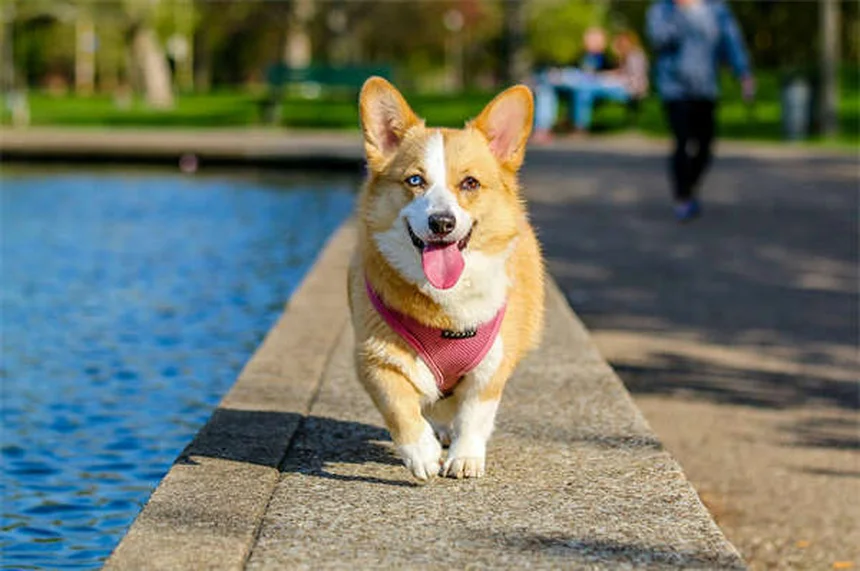
But here's a fun fact - short-tailed breeds like Bulldogs or Pembroke Welsh Corgis? They wag their entire back ends because they don't have enough tail to do the job! It's like watching a furry little hula dancer.
The "I'm Not Sure About This" Wag
Ever seen your dog's tail do that low, tight wag when meeting someone new? That's their version of nervous laughter. The tail might be tucked slightly, moving in short, quick bursts - like they're saying "I want to be friends but I'm kinda scared."
Here's what I always tell my friends: if you see this wag, let the dog come to you. No sudden moves, no direct eye contact. Pretend you're the most boring person in the room, and they'll usually warm up to you.
When Wagging Isn't Welcome
The Warning Signs
Wait - can a wagging tail actually mean danger? You bet! When a dog's tail goes stiff and high, like a flagpole, that's their red alert system. The wag turns into more of a tense vibration, and their whole body becomes statue-still.
I learned this the hard way with my neighbor's German Shepherd. His tail was wagging, but it was that stiff, high wag. I thought "Oh, he's happy!" until he lunged. Now I know better - always read the whole dog, not just the tail!
 Photos provided by pixabay
The Happy Dance
Some dogs have mastered the art of polite refusal. They might stop wagging completely, turn away, or suddenly become very interested in sniffing the ground. It's their way of saying "Not now, thanks."
Here's a pro tip: if a dog yawns, licks their lips, or looks away when you approach? That's doggie for "I need space". Respect that, and you'll avoid 90% of dog-related misunderstandings!
The Science Behind the Wag
Left Brain, Right Brain
Get this - researchers found that happy wags tend to bias to the right, while nervous wags lean left. It's like their tails are connected to different emotional centers in their brains!
Next time you see a dog wagging, try this experiment: which side does the tail favor? Right-sided wags usually mean "Life is good!" while left-sided ones suggest "I'm not so sure about this..." Pretty cool, right?
Tailless Communication
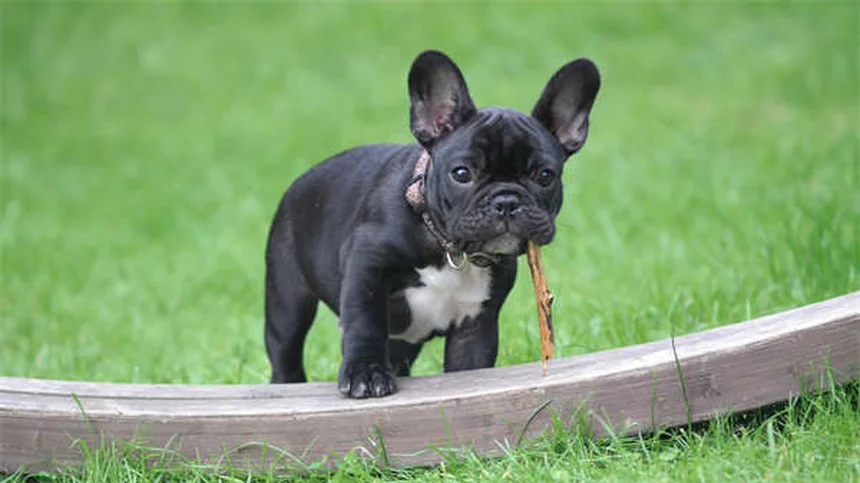
What about breeds like French Bulldogs or Boston Terriers with those cute little nubs? They've developed other ways to talk:
- Ear positioning - pinned back vs perked up
- Body posture - play bows vs stiff standing
- Facial expressions - whale eye (showing whites) vs relaxed
My friend's Boxer has the most expressive eyebrows - they tell you everything the missing tail can't! The key is learning each dog's unique communication style.
Putting It All Together
 Photos provided by pixabay
The Happy Dance
Remember that time at the dog park when you saw two dogs meeting? One had a high, stiff tail while the other was doing full-body wiggles? That's canine communication in action!
Here's what I want you to take away: never judge a dog by wag alone. Look at their ears, eyes, mouth, and overall posture. Are they leaning forward or back? Is their body loose or tense? These clues tell the real story.
Safety First
Before you pet any dog - even one with a "friendly" wag - always ask the owner. And watch how the dog reacts to your approach. If anything feels off, trust your gut. As my grandma used to say, "Better to miss one petting opportunity than to get bitten!"
Now that you're practically a dog tail expert, go impress your friends at the next barbecue! Just don't stare at dogs' butts too obviously - people might get the wrong idea.
The Surprising Science Behind Tail Wagging
How Dogs Developed This Unique Communication
You might think tail wagging is just a cute quirk, but it's actually an evolutionary masterpiece. Wolves, the ancestors of our pet dogs, rarely wag their tails - so how did this behavior become so prominent in domesticated pups?
The answer lies in human selection. Over thousands of years, we unconsciously bred dogs that communicated more clearly with us. Those expressive tails? They're like neon signs saying "Hey human, pay attention to me!" This explains why stray dogs often wag less than pets - they haven't had generations of humans rewarding that behavior.
The Tail's Connection to Dog Personalities
Ever notice how some dogs seem to have signature wag styles? My Labrador has this dramatic, whole-body wag that knocks over anything in its path, while my neighbor's Shiba Inu has this precise, metronome-like tail movement.
Researchers have found that tail wagging patterns can actually reflect personality traits. High-energy wags often come from extroverted dogs, while more reserved pups might have subtle tail movements. Next time you're at the dog park, try matching wag styles to personalities - it's like canine astrology!
Beyond Dogs: Other Animals That Wag
The Unexpected Waggers in Nature
Would it surprise you to learn that dogs aren't the only animals that wag their tails? Let me introduce you to some unlikely wagging experts:
| Animal | Wagging Purpose | How It Differs From Dogs |
|---|---|---|
| Foxes | Hunting communication | More subtle movements |
| Dolphins | Play signaling | Uses entire tail fluke |
| Horses | Fly swatting | No emotional meaning |
But here's the kicker - no other species comes close to dogs' sophisticated tail language. That's what makes our furry friends so special in the animal kingdom!
Why Don't Cats Wag Like Dogs?
Ever tried to read a cat's tail like a dog's? Good luck with that! While cats do move their tails, their signals are completely different. A flicking cat tail usually means "Back off", while the same motion in a dog might mean "Let's play!"
This difference comes down to evolution. Cats evolved as solitary hunters, while dogs developed as social pack animals. That's why your dog's tail is basically a social media feed of their emotions, while your cat's tail is more like a private diary!
Practical Applications of Tail Knowledge
Using Tail Signals in Training
Here's a professional trainer's secret: we use tail positions as training indicators. When teaching a new command, I watch for that relaxed, mid-level wag - it tells me the dog is in the perfect learning zone.
Think about it - if the tail's too high, the dog might be overexcited. Too low? They're probably stressed. But when you see that perfect neutral wag, that's golden training time! I've used this trick to cut training sessions in half with my rescue dogs.
Tail Watching for Health Checks
Did you know your dog's tail can be an early warning system for health issues? A normally active tail that suddenly stops wagging might indicate pain or discomfort. I once noticed my dog wasn't wagging when I opened the treat jar - turned out he had a sore tail muscle from over-enthusiastic wagging!
Veterinarians actually have a term for this - "limber tail syndrome". It's like when you overdo it at the gym and can't lift your arms the next day, except for dogs and their tails. Who knew wagging could be an extreme sport?
The Future of Tail Communication Research
High-Tech Tail Tracking
Scientists are now developing wag-o-meters (okay, that's not the official term) to precisely measure tail movements. These devices can detect subtle changes we'd never notice, helping us understand canine emotions on a whole new level.
Imagine a Fitbit for dog tails! Researchers at UC Davis are working on sensors that could alert owners when their dog's tail patterns change, potentially signaling stress or illness before other symptoms appear. The future of pet care might literally be hanging by a tail.
Robotic Tail Applications
Here's something wild - engineers are studying dog tails to improve robot design. Why? Because that natural counterbalance helps dogs make those incredible mid-air turns when catching frisbees.
Roboticists are creating mechanical tails for drones and robots to help them stabilize during quick movements. Next time you see your dog chasing its tail, remember - they might be inspiring the next generation of technology!
Your Personal Tail Observation Challenge
Becoming a Tail Whisperer
Ready to put your new skills to the test? Here's a fun weekend project: grab a notebook and observe different dogs' tail behaviors at your local park. Jot down the tail position, wag style, and what the dog is doing at that moment.
After just one hour, you'll start seeing patterns emerge. You might notice that small dogs often have faster wags than large breeds, or that some dogs have a "thinking wag" when they're trying to solve a problem. It's like unlocking a secret code!
Sharing Your Findings
When you discover something interesting about tail language, share it with other dog lovers! I once explained tail positions to a nervous first-time dog owner, and she said it completely changed how she interacted with her new puppy.
Remember, understanding tail talk isn't just academic - it helps create safer, happier relationships between humans and dogs. And who knows? You might just prevent a misunderstanding that could lead to a bite or scare. That's the power of speaking dog tail-ese!
E.g. :ELI5: Why do dogs wag their tails? : r/explainlikeimfive
FAQs
Q: Does a wagging tail always mean a dog is friendly?
A: Absolutely not! This is one of the biggest misconceptions about dog behavior. As a professional dog trainer, I can't tell you how many times I've seen people approach dogs just because the tail was moving. Here's what you need to know: while a loose, sweeping wag at mid-height usually indicates happiness, a high, stiff wag can signal aggression or dominance. And that nervous little wag with a tucked tail? That's fear, not friendliness. Always look at the whole picture - the tail position, speed of wag, and other body language cues before deciding if a dog wants to interact.
Q: Why do some dogs wag their tails in circles?
A: Ah, the famous "helicopter tail" - one of my favorite dog behaviors! When you see your pup's tail making big circular motions, it typically means they're extremely happy and excited. I see this most often when owners come home after being away. But here's an important caveat: some dogs do this when they're feeling anxious or over-aroused too. My golden retriever does helicopter wags when he's both super excited to see me and when he's nervous at the vet. The key difference? Check if their whole body is loose and wiggly (happy) or tense and stiff (stressed).
Q: How do tailless dogs communicate their emotions?
A: Great question! As someone who's worked with many breeds like Bulldogs and Australian Shepherds (who often have docked tails), I can tell you they develop other ways to "talk." These pups become masters of facial expressions and body positioning. Watch for: ear position (pinned back vs perked up), body posture (play bow vs stiff stance), and eye contact (soft gaze vs hard stare). My friend's Boston Terrier communicates volumes just with his expressive eyebrows! The bottom line? All dogs find ways to express themselves - we just need to learn their individual language.
Q: What does it mean when a dog suddenly stops wagging?
A: When that happy wag comes to an abrupt halt, pay attention! In my experience, this usually means one of two things: either they've lost interest in whatever was exciting them, or (more importantly) they're feeling uncomfortable. Many dogs will stop wagging and turn away when they want space. I always teach my clients to look for other "calming signals" too - like yawning, lip licking, or sniffing the ground. These are all polite canine ways of saying "I need a break." Respect these signals, and you'll build much better relationships with dogs.
Q: Can you really tell a dog's mood by which side they wag toward?
A: Believe it or not, science says yes! Studies have shown that dogs tend to wag slightly more to the right when experiencing positive emotions (like seeing their favorite person), and to the left when feeling negative emotions (like seeing an unfamiliar dominant dog). As a behavior consultant, I find this fascinating because it shows how deeply connected tail movements are to brain activity. But here's my professional advice: while this is cool to know, it's not the most practical way to read dogs in real-time. Focus first on the more obvious signs like tail height and speed - save the left/right observations for when you're trying to impress your dog-loving friends!