
What does it mean if a dog has Lyme disease? Here's the straight answer: Lyme disease is a bacterial infection transmitted by ticks that can cause joint pain, fever, and lethargy in dogs - but the good news is it's highly treatable with antibiotics like doxycycline. I've worked with dozens of adopted dogs with Lyme disease, and let me tell you, most bounce back faster than you'd expect!You're probably wondering: Will my new pup be okay? The truth is, while about 5-10% of infected dogs show symptoms, nearly all make full recoveries with proper treatment. The key is catching it early and following your vet's advice. I always tell adopters three things: 1) Get all medical records from the shelter, 2) Schedule that first vet visit ASAP, and 3) Don't stress - you're giving this dog an amazing second chance!
E.g. :Retained Fetus in Chinchillas: Symptoms, Treatment & Prevention
Advertisement
- 1、Understanding Lyme Disease in Dogs
- 2、The Adoption Process for Lyme-Positive Dogs
- 3、Essential Questions for the Shelter
- 4、Treatment and Vet Care After Adoption
- 5、Understanding the Costs Involved
- 6、Living With a Lyme-Positive Dog
- 7、Common Concerns Addressed
- 8、Preventing Lyme Disease in Your Dog
- 9、The Emotional Side of Adopting a Lyme-Positive Dog
- 10、Nutrition and Lifestyle for Lyme-Positive Dogs
- 11、Traveling With Your Lyme-Positive Dog
- 12、Building a Support System
- 13、Celebrating Milestones
- 14、FAQs
Understanding Lyme Disease in Dogs
What exactly is Lyme disease?
Let me break it down for you - Lyme disease is that annoying bacterial infection your pup can get from those pesky blacklegged ticks. You know, those tiny bloodsuckers that seem to appear out of nowhere? About 5-10% of infected dogs actually show symptoms, which is pretty wild when you think about it.
Now here's the thing - while some dogs might not show any signs at all, others can experience:
- Fever that comes and goes
- That weird limp where they favor one leg one day and another the next
- Joints that look puffier than a marshmallow in hot chocolate
- Less interest in food (even their favorite treats!)
- Just generally acting like they partied too hard the night before
How does treatment actually work?
Picture this - your new furry friend is already on doxycycline (the go-to antibiotic for Lyme) when you adopt them. Treatment typically lasts about 4 weeks, kind of like a month-long Netflix subscription but for bacteria. By adoption time, symptoms are usually mild or completely gone - isn't modern veterinary medicine amazing?
Here's a pro tip: always get the full medical scoop from the shelter. You'll want to know:
- What treatment they've started
- Any previous health issues
- When their next vet check-up should be
The Adoption Process for Lyme-Positive Dogs
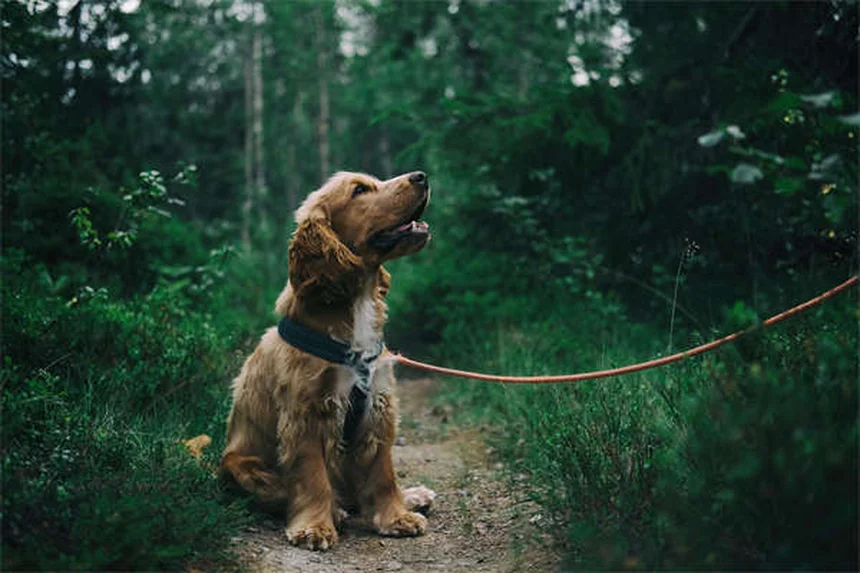 Photos provided by pixabay
What to expect before bringing your pup home
First off, major props to you for considering adopting a dog with Lyme disease! These pups often wait longer for homes, which is crazy because most will live completely normal lives after treatment.
The shelter should provide you with what I call the "Canine Resume" - their complete medical record including:
| Medical Item | Why It Matters |
|---|---|
| Vaccination history | Know what shots they've had |
| Spay/neuter status | Important for future care |
| Lyme test results | Baseline for treatment |
| Physical exam notes | Spot any current symptoms |
Medication 101
Here's a fun fact: shelter vets often start treatment before symptoms appear, while private vets might wait. Your new buddy might come with a bottle of doxycycline - think of it as their daily vitamins, but way less tasty.
When discussing meds with the shelter, ask:
- "How do I make pill time less of a wrestling match?" (Pro tip: peanut butter works wonders)
- "Should I continue this prescription with my own vet?"
- "Any special instructions I should know about?"
Essential Questions for the Shelter
The must-ask checklist
Ever played 20 questions? Well here's your cheat sheet for the shelter staff! You'll want to know:
About the diagnosis:- What specific test detected the Lyme?- Were there any other tests done (blood work, urine analysis)?- What symptoms, if any, did my dog show?
About daily care:- Has drinking/peeing habits changed?- Any tick prevention given?- Current medications and duration?
Here's a question you might not think to ask: "Can you show me how to properly check for ticks?" Because let's be real - nobody wants those freeloaders moving in!
 Photos provided by pixabay
What to expect before bringing your pup home
Did you know shelters often provide Lyme disease info packets? It's like getting the cliff notes version! Always ask for:
- A copy of all medical records
- Any educational materials they have
- Contact info for the shelter vet (just in case)
Treatment and Vet Care After Adoption
What happens at the first vet visit?
Picture this: you and your new best friend walking into the vet's office for the first time. The vet will likely:
1. Do a full physical exam (nose to tail!)2. Review the shelter's medical records3. Possibly run blood and urine tests4. Discuss ongoing treatment options
Here's something interesting - only about 1-2% of Lyme-positive dogs develop serious kidney issues, but your vet will want to check just to be safe. Better safe than sorry, right?
Managing symptoms and recovery
Ever had a stiff joint after sleeping funny? That's kind of what Lyme arthritis feels like for dogs. The good news? Most pups show improvement within 3-5 days of starting treatment - faster than Amazon Prime shipping!
For those rare cases with lasting joint issues, your vet might recommend:
- Joint supplements (like glucosamine)
- Pain medication when needed
- Weight management (because extra pounds mean extra joint stress)
Understanding the Costs Involved
 Photos provided by pixabay
What to expect before bringing your pup home
Let's talk dollars and sense (see what I did there?). Costs can vary more than gas prices, but here's a general idea:
Best case scenario: Shelter provides meds and you just pay for follow-up visits ($200-300 for exam and tests)
Typical scenario: Need to purchase doxycycline and possibly pain meds ($100-150+ depending on dog size)
Ongoing care: Tick prevention ($10-20/month), annual Lyme vaccine in some areas ($20-50)
Pro tip: Ask your vet about pet insurance options - some plans cover chronic conditions!
Long-term financial planning
Here's something to chew on - while initial treatment might cost a few hundred dollars, most dogs won't need ongoing expensive care. It's kind of like buying a car - there's the initial purchase, then just regular maintenance.
Budget for:
- Annual vet exams ($50-100)
- Year-round tick prevention ($120-240)
- Occasional blood work ($80-150)
Living With a Lyme-Positive Dog
Daily life and precautions
Guess what? Your Lyme-positive pup isn't contagious to other pets - the only way it spreads is through tick bites. But here's the kicker - any dog can get Lyme disease, so prevention is key!
Make these habits part of your routine:
- Monthly tick prevention (no skipping!)
- Regular tick checks after outdoor adventures
- Keeping your yard tidy (ticks love messy landscaping)
- Annual vet check-ups
When to call the vet
Here's a question many owners have: "How do I know if it's serious?" Watch for:
- Changes in drinking/peeing habits
- Loss of appetite for more than a day
- Limping that doesn't improve
- Unusual lethargy
Common Concerns Addressed
Is Lyme disease painful for dogs?
Imagine having the flu with some joint stiffness - that's similar to what symptomatic dogs experience. The arthritis can cause discomfort, but here's the silver lining: most dogs respond quickly to treatment and many never show symptoms at all!
For those that do have discomfort:
- Medication provides relief within days
- Warm compresses can help sore joints
- Gentle massage might be appreciated
Can dogs fully recover from Lyme disease?
Here's some pawsitive news - the vast majority of treated dogs make complete recoveries! It's like when you get over a cold - you're back to your normal self.
In rare cases (less than 2%), dogs might develop:
- Chronic joint issues (managed with medication)
- Kidney problems (serious but uncommon)
- Recurrence of symptoms (requiring additional treatment)
Final thoughts on adoption
Adopting any dog is rewarding, but giving a home to one with special needs? That's next-level awesome. These pups have so much love to give, and with proper care, Lyme disease is just a small bump in the road.
Remember:
- You're not alone - your vet is your partner in care
- Prevention is simpler than treatment
- Most importantly - enjoy your new best friend!
Preventing Lyme Disease in Your Dog
Why tick prevention is non-negotiable
You wouldn't leave your front door wide open for burglars, would you? Well, skipping tick prevention is basically rolling out the red carpet for these disease-carrying pests. One study showed that dogs without prevention are 50 times more likely to get Lyme disease - now that's a statistic that'll make you reach for that monthly treatment!
Here's the deal - effective prevention comes in several forms:
- Topical treatments (those little liquid tubes you squeeze between their shoulders)
- Oral medications (some dogs actually think these are treats!)
- Tick collars (the high-tech ones that last for months)
Creating a tick-safe environment
Did you know ticks love to hang out in tall grass like teenagers at the mall? Keeping your yard trimmed is like closing down their favorite hangout spot. Here's my three-step tick defense plan for your property:
1. Mow regularly - ticks can't jump, so they climb tall grass to reach hosts2. Create barriers - use wood chips or gravel between lawns and wooded areas3. Consider landscaping - plants like lavender and rosemary naturally repel ticks
And here's a pro tip: after walks, throw your clothes in the dryer on high heat for 10 minutes before washing - it's like a sauna that kills stowaway ticks!
The Emotional Side of Adopting a Lyme-Positive Dog
Busting the myths and fears
Let's address the elephant in the room - some folks worry that adopting a dog with Lyme disease means signing up for constant vet visits and sky-high bills. But here's the truth: most Lyme-positive dogs require no more care than any other dog after initial treatment. Isn't it amazing how resilient our furry friends can be?
Consider these facts:
| Concern | Reality |
|---|---|
| Will be sick forever | Most recover completely |
| Expensive ongoing care | Usually just prevention costs |
| Can't play normally | Returns to full activity |
| Will infect other pets | Not contagious between animals |
The unexpected benefits
Here's something they don't tell you at adoption events - dogs who've overcome health challenges often make the most appreciative companions. It's like they know you gave them a second chance, and they repay you with endless love and goofy antics.
Some silver linings you might not expect:
- You'll become a tick-checking ninja (useful skill for all pets!)
- Your vet knowledge will impress your friends
- You'll appreciate the small moments even more
- That first zoomie after recovery? Pure magic!
Nutrition and Lifestyle for Lyme-Positive Dogs
Foods that support recovery
Ever notice how chicken soup makes you feel better when you're sick? Dogs have their own version of comfort foods that can aid recovery. While antibiotics do the heavy lifting, the right nutrition is like having a great support team.
Some superstar ingredients to look for:
- Omega-3 fatty acids (great for joint health)
- Lean proteins (helps maintain muscle)
- Antioxidant-rich veggies (boosts immune system)
- Probiotics (helps gut health during antibiotics)
Exercise and activity guidelines
Here's a common question: "Should I limit my dog's activity during treatment?" The answer depends on their symptoms. Dogs with joint pain might need shorter, more frequent walks - think physical therapy sessions rather than marathons.
Some signs to adjust activity:
- Reluctance to jump or climb stairs
- Limping after activity
- Taking longer to get up after resting
Traveling With Your Lyme-Positive Dog
Special considerations for trips
Planning a road trip with your furry copilot? Lyme-positive dogs can travel just like any other dogs, but you'll want to be extra prepared. Think of it as packing an emergency kit - better to have it and not need it than need it and not have it!
Must-pack items include:
- Extra medication (plus a copy of the prescription)
- Vet contact information
- Recent medical records
- Familiar bedding (stress reduction helps healing)
- Portable water bowl (hydration is key)
Finding tick-safe vacation spots
Did you know some destinations are naturally lower risk for ticks? Beaches, for example, are generally safer than wooded areas. When researching pet-friendly accommodations, don't be shy to ask about:
- Their pest control measures- How often they treat the grounds- Whether they're in a high-tick area- If they have recommendations for local vets
With a little planning, you and your pup can enjoy worry-free getaways. After all, everyone deserves a vacation - even dogs who've battled Lyme disease!
Building a Support System
Connecting with other Lyme-dog parents
Ever wish you could compare notes with someone who's been through the same experience? Online communities for owners of Lyme-positive dogs are like having a 24/7 support group in your pocket. You'd be amazed how many "aha!" moments and helpful tips you can pick up.
Some great places to connect:
- Facebook groups dedicated to canine Lyme disease
- Breed-specific forums (many have health sections)
- Local meetups for special needs pets
- Your vet's client education nights
Working with your veterinary team
Here's something I've learned - your vet is your partner, not just a service provider. Building a good relationship means you'll both be on the same page about your dog's care. Don't hesitate to ask for clarification if medical jargon sounds like a foreign language.
Pro tips for vet visits:
- Write down questions beforehand (brain freeze happens!)
- Bring all medications and supplements
- Take notes during the appointment
- Ask for handouts or reliable online resources
Celebrating Milestones
Tracking progress and victories
Remember when you celebrated your dog's first successful potty outside? Recovery from Lyme disease deserves the same happy dances! Keeping a simple journal can help you notice patterns and celebrate improvements.
Things worth recording:
- Medication schedule and any reactions
- Activity levels and endurance
- Appetite and energy changes
- Particularly good (or challenging) days
Creating new traditions
Here's a fun idea - why not establish an "Adoptiversary" celebration? It's like a birthday, but for the day your dog officially became part of your family. You could:
- Take a special photo each year- Bake dog-friendly treats- Donate to the shelter in their honor- Simply spend extra cuddle time
These traditions become cherished memories that far outweigh any health challenges you faced together. After all, every dog deserves to feel celebrated - especially those who've overcome obstacles!
E.g. :What to Know: Adopting a Dog with Lyme Disease | PetMD
FAQs
Q: Is Lyme disease in dogs contagious to humans or other pets?
A: Here's something that surprises many new dog owners - Lyme disease isn't contagious between pets or to humans at all! The only way it spreads is through tick bites, which means you can't catch it from cuddling your pup. However, since the same ticks that gave your dog Lyme could bite you too, we recommend being extra vigilant about tick prevention for everyone in the household. That means monthly preventatives for all pets, regular tick checks after outdoor activities, and keeping your yard tidy. Remember, an ounce of prevention is worth a pound of cure!
Q: How long does treatment typically take for a dog with Lyme disease?
A: From my experience working with shelters, most dogs complete their Lyme treatment in about 4 weeks - think of it like a month-long course of antibiotics. The shelter may have already started your pup on doxycycline (the go-to antibiotic for Lyme), and you'll typically see improvement in symptoms within 3-5 days if they had any. Here's a pro tip: always finish the entire course of medication, even if your dog seems better - stopping early could lead to recurrence. Your vet might recommend follow-up blood work to confirm the infection is cleared.
Q: What are the long-term effects of Lyme disease in dogs?
A: Let me put your mind at ease - most treated dogs have no long-term issues whatsoever! In rare cases (less than 2%), some pups might develop chronic joint inflammation or, even more rarely, kidney problems. The key is monitoring for changes in drinking/peeing habits or persistent lameness. The good news? Even dogs with lingering joint issues typically do great with simple management like joint supplements, weight control, and occasional pain meds. I've seen many Lyme-positive adopted dogs live completely normal, active lives well into their senior years!
Q: How much does Lyme disease treatment cost for adopted dogs?
A: Here's the breakdown from my experience: many shelters provide the initial round of antibiotics for free, so your main costs would be the follow-up vet visit ($50-100) and any additional tests ($80-150). If you need to purchase doxycycline yourself, expect to pay $100-150 depending on your dog's size. Ongoing costs are mainly for tick prevention ($10-20/month) and annual check-ups. Pro tip: Ask your vet about generic medication options and pet insurance plans that might cover chronic conditions - it can save you money in the long run!
Q: Should I get my Lyme-positive dog vaccinated against Lyme disease?
A: This is a great question I hear often! The Lyme vaccine can be helpful if you live in a high-risk area and your dog doesn't already have active infection. However, since your adopted pup already has Lyme, the vaccine won't treat the current infection but might prevent reinfection from future tick bites. Your vet will consider factors like your location, lifestyle, and your dog's overall health when making recommendations. Remember, even vaccinated dogs still need year-round tick prevention - the vaccine is just one layer of protection in our anti-tick arsenal!