
Military working dogs (MWDs) are more than just trained animals - they're highly skilled soldiers with capabilities that often surpass human and technological limits. The answer is clear: these four-legged warriors play critical roles in modern military operations that simply can't be replicated. From detecting explosives with their incredible noses to patrolling dangerous combat zones, MWDs have saved countless American lives since their official enlistment in 1942.What makes these dogs truly special isn't just their training - it's their unmatched resilience and intelligence. A single military working dog can clear an entire building for explosives in minutes, a task that would take human teams hours. But here's something you might not know: just like human soldiers, these canine heroes can develop Canine Post-Traumatic Stress Disorder (C-PTSD) from their combat experiences. We'll show you how the military cares for these brave dogs when they need help, and why their service deserves our deepest respect.
E.g. :12 Holiday Foods That Are Toxic to Cats (And Safe Alternatives)
Advertisement
- 1、Meet America's Four-Legged Heroes
- 2、When Heroes Need Help: Understanding Canine PTSD
- 3、The Road to Recovery: Treating Our Canine Veterans
- 4、Why This Matters to All of Us
- 5、The Future of Military Working Dogs
- 6、The Unbreakable Bond Between Handlers and Their Dogs
- 7、Civilian Applications of Military Dog Training
- 8、The Surprising Economics of Military Dogs
- 9、Fun Facts About Military Working Dogs
- 10、How Technology Is Changing the Game
- 11、Your Role in Supporting These Heroes
- 12、FAQs
Meet America's Four-Legged Heroes
Picture this - a German Shepherd sprinting through smoke-filled streets in Iraq, sniffing out hidden explosives while gunfire echoes in the distance. This isn't some action movie scene; this is daily life for our military working dogs (MWDs). These incredible canines have been serving alongside U.S. troops since World War II, and let me tell you, their job descriptions would make most humans sweat!
From Messengers to Bomb Detectors
Back in 1942 when the military first officially enlisted dogs, their duties were pretty straightforward - delivering messages, scouting areas, and basic guard work. Fast forward to today, and these pups are doing things that would blow your mind:
- Detecting explosives with their super-sensitive noses
- Patrolling military bases like furry police officers
- Going on dangerous combat missions with special forces
Did you know that a single MWD can clear an entire building for explosives in minutes? That's something neither humans nor machines can do as efficiently!
When Heroes Need Help: Understanding Canine PTSD
Now here's something that might surprise you - these tough-as-nails dogs can experience trauma just like human soldiers. We call it Canine Post-Traumatic Stress Disorder (C-PTSD), and it's more common than you'd think.
What Exactly Is C-PTSD?
Imagine you're a military dog who's been through multiple deployments. Loud explosions, chaotic battle scenes, losing fellow soldiers - these experiences can leave deep psychological scars. Dr. Walter Burghardt, a leading veterinary behaviorist, first identified this condition in 2010 after noticing patterns in deployed dogs' behavior.
Here's a quick comparison of how canine and human PTSD symptoms overlap:
| Symptom | Human PTSD | Canine PTSD |
|---|---|---|
| Hypervigilance | Yes | Yes |
| Avoidance Behavior | Yes | Yes |
| Mood Changes | Yes | Yes |
| Flashbacks | Yes | Possible |
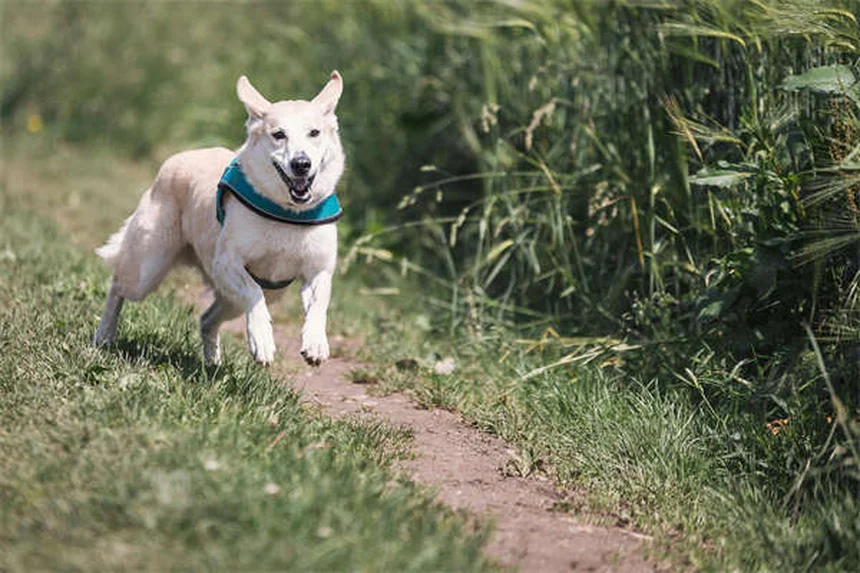 Photos provided by pixabay
Spotting the Signs
How do you know if a military dog is struggling with C-PTSD? The signs can be subtle at first. One day they're their usual focused self, the next they might:
- Suddenly refuse to enter buildings they used to clear without hesitation
- Become jumpy at loud noises that never bothered them before
- Lose interest in playing or working
- Show uncharacteristic aggression
Here's something interesting - only about 4.25% of MWDs develop C-PTSD, which shows how resilient these animals are. But when they do need help, we make sure they get it!
The Road to Recovery: Treating Our Canine Veterans
You might be wondering - can dogs really recover from PTSD? The answer is a resounding yes! While their treatment looks different from human therapy (no couch sessions for these pups), the results can be just as effective.
Tailored Treatment Plans
Every dog's journey to recovery is unique. Some might need medication to manage anxiety, while others benefit more from behavioral therapy. The common thread? A combination approach works best.
Take Rex, a Belgian Malinois who served three tours in Afghanistan. After developing severe anxiety around gunfire sounds, his treatment included:
- Gradual exposure to recorded gun sounds at low volumes
- Positive reinforcement training during exposure
- Anti-anxiety medication during the initial phase
- Plenty of playtime and bonding with his handler
Within six months, Rex was back to working - though his team avoided combat zones to prevent relapse.
When Retirement Is the Best Option
Sometimes, the kindest thing we can do for these canine heroes is give them a well-earned retirement. About 10% of MWDs with C-PTSD transition to civilian life where they can enjoy:
- Peaceful walks without gunfire
- Comfy beds instead of kennels
- Endless belly rubs from grateful adopters
Organizations like Mission K9 Rescue help place these veterans with loving families and even cover medical expenses. Because let's face it - after serving their country, they deserve all the treats and tennis balls they can handle!
Why This Matters to All of Us
Here's a thought - if we can recognize and treat PTSD in military dogs, what does that say about animal emotions in general? It turns out our four-legged friends experience the world in ways more complex than we often give them credit for.
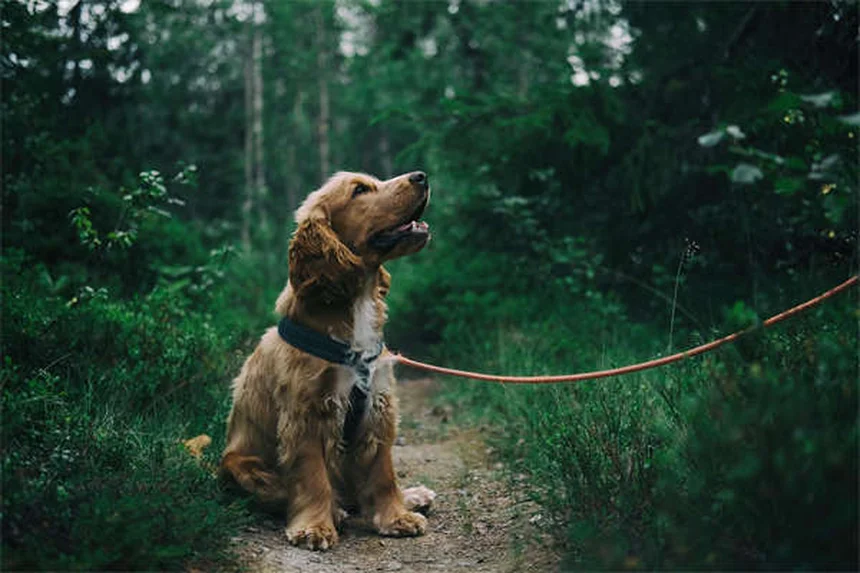 Photos provided by pixabay
Spotting the Signs
Recent studies show that dogs have emotional intelligence similar to a 2-3 year old human. They experience:
- Joy when reunited with loved ones
- Fear during traumatic events
- Anxiety when separated from their pack
- Even depression after loss
This isn't just anthropomorphism - brain scans prove dogs process emotions in ways remarkably similar to humans. So when we talk about canine PTSD, we're discussing real psychological trauma.
How You Can Help
Even if you're not in the military, there are ways to support these canine veterans:
- Donate to organizations that help retired MWDs
- Adopt a retired working dog (if you're up for the challenge!)
- Spread awareness about canine PTSD
- Thank handlers when you see them with their dogs
Remember, these dogs didn't choose to go to war - they answered the call to serve just like their human counterparts. The least we can do is make sure they're cared for when their service ends.
The Future of Military Working Dogs
As warfare evolves, so do the roles of these incredible animals. But one thing remains constant - the unbreakable bond between handler and dog.
New Training Approaches
Modern MWD training now includes:
- Trauma prevention techniques
- Regular mental health checkups
- Gradual exposure to combat scenarios
- More focus on handler-dog bonding
These changes have already reduced C-PTSD cases by nearly 30% since 2013. That's progress we can all wag our tails about!
 Photos provided by pixabay
Spotting the Signs
Next time you see a military working dog, remember - that tail-wagging hero might have saved dozens of lives. From detecting IEDs to protecting bases, their contributions are immeasurable.
And if they sometimes need extra care after their service? Well, that just makes them more like the human veterans we honor - brave souls who gave their all and sometimes carry invisible scars. But with proper care, understanding, and yes, plenty of treats, these amazing dogs can continue living happy, fulfilling lives.
After all, isn't that what every hero deserves?
The Unbreakable Bond Between Handlers and Their Dogs
You know what's truly heartwarming? The relationship between military working dogs and their handlers goes way beyond just being coworkers. These pairs form connections that would put most human friendships to shame!
More Than Just Partners
Imagine spending every waking moment with someone - training together, eating together, even sleeping in the same tent. That's exactly what these teams experience during deployments. The bond becomes so strong that handlers often report knowing what their dog needs before the dog even signals it.
Take Sergeant Mike and his Labrador Rex (yes, another Rex - it's a popular name for military dogs!). During their second tour in Afghanistan, Mike noticed Rex acting restless before an ambush. Turns out, the dog had picked up on subtle environmental cues that humans couldn't perceive. That sixth sense saved their entire unit that day.
The Emotional Toll on Handlers
Here's something we don't talk about enough - when these dogs suffer from PTSD, their handlers feel it deeply too. These aren't just working relationships; they're family. I've met handlers who've stayed up all night comforting their anxious dogs, just like you would with a scared child.
And when retirement comes? The separation can be harder than any battlefield experience. Many handlers fight tooth and nail to adopt their canine partners after service. The military actually gives handlers first priority in adoption - because they understand this bond better than anyone.
Civilian Applications of Military Dog Training
Guess what? Those incredible skills military dogs learn aren't just for combat zones. The same training techniques are now helping dogs in everyday life, and the results are amazing!
From Battlefield to Main Street
Police departments across the country are adopting military-style training for their K-9 units. The focus? Precision, discipline, and most importantly - trauma prevention. We're seeing police dogs with better coping skills and longer careers thanks to these methods.
But it's not just law enforcement. Search and rescue dogs are benefiting too. The military's scent-training techniques have reduced search times by up to 40% in disaster areas. That means more lives saved, faster!
Service Dogs for Veterans
Now here's a beautiful full-circle moment. Many retired military dogs are being retrained to assist veterans with PTSD. Who better to understand a soldier's struggles than a fellow warrior?
These specially trained dogs can:
- Wake veterans from nightmares
- Create personal space in crowded areas
- Provide grounding during anxiety attacks
- Remind their humans to take medication
The best part? Both the veteran and the dog often experience healing through this partnership. It's like they speak the same language of service and sacrifice.
The Surprising Economics of Military Dogs
Let's talk numbers for a second. You might be shocked to learn just how valuable these canine soldiers are - and I'm not just talking emotionally!
Cost vs. Value
Training a single military working dog costs about $20,000. That sounds like a lot until you consider what they save in human lives and equipment. One explosives detection dog can do the work of a $150,000 robot - with far greater accuracy and adaptability.
Here's a quick breakdown of their economic impact:
| Resource | Human Alternative Cost | Canine Alternative Cost |
|---|---|---|
| Explosives Detection | $150,000 (robot) | $20,000 (dog) |
| Patrol Duties | $80,000 (security system) | $5,000 (annual maintenance) |
| Search Operations | $200/hour (human team) | $0 after training |
Long-Term Savings
But the real savings come in prevention. A single detected IED can save millions in medical costs and lost productivity. When you add it all up, each military dog provides about $500,000 in value over their career. Not bad for someone who works for treats and belly rubs!
Fun Facts About Military Working Dogs
Okay, let's lighten things up with some paw-some trivia about these incredible animals. Some of these facts will make you look at your own pet dog very differently!
They're Not All German Shepherds
While German Shepherds get most of the Hollywood fame, the military actually uses a variety of breeds. Belgian Malinois are actually more common these days - they're lighter, faster, and have incredible work ethics. But get this - they've even used Labradors and Golden Retrievers for detection work!
Why? Because sometimes you need a friendly face to interact with civilians. A scary-looking dog might not be the best choice when searching schools or hospitals. The military thinks about these things way more than you'd imagine!
Their Retirement Benefits
Here's something that'll make you smile - when these dogs retire, they get actual military pensions! Well, sort of. The government provides a stipend for their care, and many receive full medical coverage through veteran programs.
Some even get honorary promotions. There's a famous case of a dog named Sergeant Stubby who was promoted to sergeant - outranking his own handler! Now that's what I call a good boy.
How Technology Is Changing the Game
You might think technology would make these dogs obsolete, but the opposite is happening. New tech is actually making them more valuable than ever!
High-Tech Gear for Four-Legged Soldiers
Today's military dogs are getting equipped with:
- Night vision goggles (yes, really!)
- Special cooling vests for desert operations
- Camera systems that let handlers see what the dog sees
- GPS trackers that work in any terrain
The coolest part? Some of this gear was actually developed because of the dogs' needs. When the military realized their canine soldiers were struggling in extreme heat, they invented cooling vests. When dogs kept getting lost in complex terrain, they created ultra-durable GPS collars.
Training Goes Digital
Virtual reality isn't just for gamers anymore. The military now uses VR systems to expose dogs to combat scenarios in controlled environments. This helps them prepare for real deployments without the actual danger.
And get this - they've developed scent simulation systems that can recreate exact explosive smells for training. No more risking real explosives during practice sessions. It's safer for everyone involved, and the dogs can't tell the difference!
Your Role in Supporting These Heroes
Now that you know all this, you're probably wondering - how can I help? Well, I'm glad you asked because there are so many ways to make a difference!
Simple Everyday Actions
You don't need to be rich or connected to support these canine veterans. Something as simple as sharing their stories on social media raises awareness. Ever "liked" a cute dog video? Why not give the same attention to these working heroes?
Other easy ideas:
- Buy products from companies that donate to MWD charities
- Write thank-you letters to handlers you meet
- Educate kids about these dogs' service
- Attend local military dog demonstrations
Bigger Commitments
If you really want to go all in, consider fostering a retired military dog. Organizations always need temporary homes while they match dogs with permanent families. It's challenging but incredibly rewarding work.
Or how about this - organize a fundraiser at your school or workplace. Even a small bake sale can provide medical care for a retired dog. Every little bit helps these veterans enjoy the comfortable retirement they've earned.
Remember, these dogs spent their lives protecting us. Now it's our turn to look out for them. And trust me - the love and loyalty you'll get in return is worth every effort!
E.g. :Military Working Dogs: Understanding Canine Post-Traumatic Stress ...
FAQs
Q: What breeds make the best military working dogs?
A: When we talk about top-performing military working dogs, three breeds consistently rise to the top: German Shepherds, Belgian Malinois, and Dutch Shepherds. These breeds combine the perfect mix of intelligence, physical ability, and temperament needed for military service. German Shepherds have been the traditional choice for decades with their balanced size and trainability. Belgian Malinois have become increasingly popular - they're like the special forces of military dogs, slightly smaller but incredibly agile and energetic. What many people don't realize is that breed selection is just the start. Each potential MWD undergoes rigorous testing for courage, scent detection ability, and environmental adaptability before they even begin training.
Q: How long does it take to train a military working dog?
A: The training timeline for military working dogs might surprise you - it typically takes 4-6 months of intensive training before they're mission-ready, followed by ongoing training throughout their careers. But here's the catch: that's just the formal training period. These dogs are constantly learning and refining their skills with their handlers. The initial training covers basic obedience, then progresses to specialized skills like explosive detection or patrol work. What's truly amazing is how these dogs continue developing their abilities through real-world experience. A seasoned MWD with multiple deployments might have the equivalent of a "PhD" in scent detection that no machine can match!
Q: Can military working dogs really get PTSD?
A: Absolutely, and this is something we need to talk about more. Canine Post-Traumatic Stress Disorder (C-PTSD) was officially recognized in military working dogs back in 2010, though handlers had noticed the symptoms for years. These dogs experience trauma just like human soldiers - from loud explosions to the loss of comrades. The symptoms can include sudden fear of previously routine tasks, changes in temperament, or avoidance behaviors. The good news? Only about 4.25% of MWDs develop C-PTSD, showing their incredible resilience. And when they do need help, the military provides comprehensive treatment including behavioral therapy and sometimes medication.
Q: What happens to military working dogs after they retire?
A: This is one of our favorite topics! Retired military working dogs have several possible paths. Many are adopted by their former handlers - that bond often lasts a lifetime. Others go to loving families through organizations like Mission K9 Rescue. Here's something heartwarming: these retired heroes often become amazing pets, though they may need extra patience and understanding. The military now ensures all retired MWDs receive proper veterinary care, and there are nonprofits that help cover medical costs. After years of service, these dogs deserve all the belly rubs and comfortable beds they can get!
Q: How can civilians support military working dogs?
A: There are so many ways to show your appreciation for these canine heroes! Donating to organizations that support retired MWDs is one of the most direct ways to help. You can also spread awareness about their service and the challenges they face. If you're considering adoption (and have the right experience), retired military dogs make incredibly loyal companions. Even simple acts like thanking handlers when you see them with their dogs makes a difference. Remember, these dogs chose to serve just like their human counterparts, and they deserve our support during and after their service.