
Thinking about adopting a special needs pet? The answer is: absolutely go for it! While these amazing animals might require some extra care, the love and life lessons they bring make every effort worthwhile. As someone who's worked with rescue pets for years, I can tell you that special needs cats and dogs have just as much love to give - they simply communicate it differently.You might be wondering, Can I really handle a pet with disabilities? Let me reassure you - with the right preparation and mindset, you absolutely can! Mary Burch from the AKC Canine Good Citizen Program puts it perfectly: These pets teach us patience and creativity we never knew we had. Whether it's a blind dog learning to navigate your living room or a deaf cat responding to hand signals, the bond you'll form is truly special.In this guide, we'll walk through everything you need to know - from preparing your home to training techniques that actually work. By the end, you'll feel confident about welcoming your new furry family member. Trust me, adopting a special needs pet could be one of the most rewarding decisions you'll ever make!
E.g. :Are Cats Liquid? The Surprising Science Behind Feline Physics
Advertisement
- 1、Why Adopting a Special Needs Pet Could Be Your Best Decision
- 2、Are You Really Ready? The Tough Questions
- 3、Setting Up Your Home for Success
- 4、Training Tips That Actually Work
- 5、The Emotional Side of Special Needs Pets
- 6、Financial Realities: Planning Ahead
- 7、Finding Your Perfect Match
- 8、Your First Weeks Together
- 9、The Joyful Journey Ahead
- 10、The Hidden Benefits You Never Considered
- 11、Expanding Your Definition of "Normal"
- 12、The Practical Perks You Didn't See Coming
- 13、The Unexpected Health Benefits for You
- 14、Changing How Others See Special Needs Animals
- 15、The Financial Surprises (The Good Kind!)
- 16、The Emotional Toolkit You'll Develop
- 17、The Community You Never Knew Existed
- 18、FAQs
Why Adopting a Special Needs Pet Could Be Your Best Decision
Let me tell you something - special needs pets aren't broken. They just come with different instruction manuals! These amazing animals might need some extra TLC, but trust me, the love you'll get in return is multiplied tenfold.
The Unexpected Perks of Special Needs Pet Parenthood
You know what's cool? These pets teach us life lessons without even trying. Mary Burch from the AKC Canine Good Citizen Program puts it perfectly: "They'll show you how to be more creative and patient than you ever thought possible."
Here's a fun fact - did you know that adopting a special needs pet can actually make you a better problem solver? When my neighbor adopted a three-legged beagle, he had to get creative with ramps and non-slip surfaces. Now he's basically the MacGyver of pet solutions!
That Warm Fuzzy Feeling (And It's Not Just Fur)
There's this indescribable joy when you see a blind dog navigate your living room like they own the place. Or when a deaf cat responds to your hand signals. It's like you're sharing a secret language that makes your bond extra special.
Want to know the best part? You're giving an animal a second chance that many others might overlook. That's not just adoption - that's being a superhero in sweatpants!
Are You Really Ready? The Tough Questions
Before you fall head over heels for those puppy-dog eyes (even if they can't see you), let's get real. Adopting any pet is a commitment, but special needs pets require some extra thought.
 Photos provided by pixabay
Pet First, Special Needs Second
Gay Wakeland from Deaf Dogs of Oregon makes a great point: "Think about the dog first - their energy level, breed, exercise needs. The special needs come after."
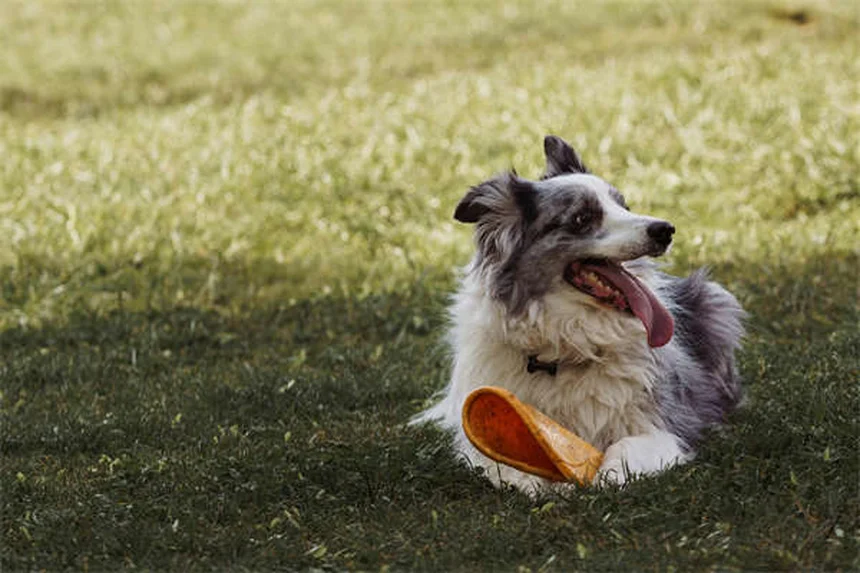
Imagine adopting a high-energy border collie who happens to be deaf. You'll still need to meet those exercise requirements - the deafness just means you'll be learning some creative training methods!
The Practical Stuff You Can't Ignore
Let's break this down into bite-sized pieces. Here are the must-ask questions:
| Category | Questions to Consider |
|---|---|
| Daily Care | Can a regular pet sitter handle your pet's needs? How will potty breaks work? |
| Home Setup | Does your place need modifications? Ramps? Baby gates? Non-slip rugs? |
| Financials | What ongoing medical costs should you budget for? (Be honest with yourself here) |
Here's something people don't always think about - what happens when you travel? Not all kennels can accommodate special needs pets, so you might need to plan ahead for pet sitters.
Setting Up Your Home for Success
Okay, let's talk about making your place pet-friendly. And I don't just mean putting out a food bowl!
Safety First - Pet Proofing 2.0
Get down on your hands and knees - seriously! You'll spot potential hazards you'd never notice standing up. That coffee table corner? Perfect height for a blind dog to bonk their head.
Terri Bright from MSPCA Angell recommends the 2 Hounds Design Freedom harness for extra security. "It's escape-proof, which gives me peace of mind with my special needs foster dogs," she says.
 Photos provided by pixabay
Pet First, Special Needs Second
Here's a pro tip: use different textures to help pets navigate. Place a rubber mat at the top of stairs, or put carpet samples near doorways. It's like creating a tactile GPS system for your pet!
Did you know some people use wind chimes outside to help blind dogs find their way back to the door? Genius, right? You can even use different scents (vanilla by the bed, lavender by the door) as olfactory signposts.
Training Tips That Actually Work
Training a special needs pet isn't harder - it's just different. And sometimes way more creative!
For Deaf Dogs: Vibration = Love
Ever seen a deaf dog respond to a vibrating collar? It's magical. Pair the vibration with treats, and soon they'll come running at the buzz. It's like their version of a dinner bell!
Hand signals are your new best friend. Start with basics like thumbs-up for "good job" - it's more visible than the typical "okay" sign. And always remember: exaggerated movements are easier for them to see.
For Blind Dogs: Sound and Touch Guides
Clickers work wonders for blind pups. Combine the click with voice commands and gentle touches to reinforce good behavior. Deb Marsh from Blind Dog Rescue Alliance swears by this method.
Here's a funny story - one blind dog I knew would follow the sound of his owner's keys jingling. They called it "key navigation" and it worked like a charm!
The Emotional Side of Special Needs Pets
Let's get real for a minute. This journey isn't always easy, but oh boy is it rewarding.
 Photos provided by pixabay
Pet First, Special Needs Second
Some days will test your patience. Maybe your blind dog keeps bumping into the same table leg. Or your deaf cat ignores your carefully practiced hand signals. Take a deep breath - progress comes in small steps.
But here's the beautiful part: when they finally "get it," the celebration is epic. There might be happy tears. There will definitely be treats. It's these small victories that make all the difference.
Building Unshakable Trust
Special needs pets often bond more deeply with their humans. Why? Because you're their guide, their interpreter, their safe place in a sometimes confusing world.
That moment when a previously scared rescue finally relaxes into your touch? That's the stuff that changes you forever. It's not just about training them - it's about learning their language and building mutual understanding.
Financial Realities: Planning Ahead
Let's talk dollars and sense (see what I did there?). Special needs pets might need some extra budget considerations.
Expected vs Unexpected Costs
You'll obviously budget for regular vet visits, but have you considered:
- Potential physical therapy sessions
- Specialized equipment (wheelchairs, harnesses)
- Possible prescription medications
Here's a money-saving tip: check with local rescue groups. Many have programs to help with costs for adopted special needs pets.
Insurance Options Worth Considering
Pet insurance can be a lifesaver. Look for plans that cover:
- Chronic condition management
- Rehabilitation therapy
- Specialist visits
Ask yourself this: "Would I rather pay a little each month or face a big unexpected bill?" That's the insurance question in a nutshell. Many providers now offer specific coverage for pre-existing conditions, so shop around!
Finding Your Perfect Match
Ready to meet your new best friend? Here's how to find "the one."
Working With Rescue Groups
Specialized rescues are goldmines of information. They can tell you exactly what to expect with specific conditions. Plus, many offer post-adoption support - like having a pet parenting hotline!
Pro tip: Ask if the pet has been in foster care. Foster parents can give you the real scoop on daily life with that particular animal.
The Meet-and-Greet That Actually Works
When visiting potential pets:
- Observe how they interact with their current environment
- Ask to see any special care routines
- Notice how they respond to you specifically
Remember, it's not just about whether you like them - it's about whether your lifestyles mesh. That energetic blind puppy might not be the best fit for your tiny apartment, no matter how cute they are!
Your First Weeks Together
Congratulations! You've brought home your new family member. Now what?
The Adjustment Period Playbook
First rule: don't rearrange the furniture! Consistency is key for special needs pets learning their new home.
Start with short, supervised exploration sessions. Think of it like giving them a guided tour of their new kingdom. Show them where the important stuff is - food, water, bed, potty area.
When to Call in the Pros
Don't hesitate to reach out if:
- Your pet seems excessively stressed
- You're struggling with training basics
- You notice any health concerns
There's no shame in asking for help. In fact, it makes you a better pet parent! Most rescue groups would rather you ask a "silly" question than struggle silently.
The Joyful Journey Ahead
As I wrap this up, I want to leave you with one thought: special needs pets aren't projects - they're companions who will change your life as much as you change theirs.
The Unexpected Gifts They Bring
You'll learn patience you didn't know you had. You'll develop creativity in solving daily challenges. And you'll experience a bond that goes beyond words - sometimes literally!
One last question to ponder: "What if the pet who needs extra help is actually the one who ends up helping me the most?" It's a question many special needs pet parents find themselves answering in surprising ways as their journey together unfolds.
So are you ready for this adventure? If your heart says yes (and your practical preparations check out), you might be about to make the best decision of your life. Welcome to the incredibly rewarding world of special needs pet parenthood!
The Hidden Benefits You Never Considered
You think you're just adopting a pet, but surprise! You're actually signing up for a masterclass in personal growth. Special needs animals have this uncanny ability to bring out the best in people - often in ways you'd never expect.
Your New Social Life
Get ready to become the most interesting person at parties! When I adopted my three-legged cat, suddenly everyone wanted to hear his story. Special needs pets are instant conversation starters, and you'll find yourself connecting with all sorts of animal lovers.
Here's something cool - there are entire online communities dedicated to special needs pet parents. From Facebook groups to subreddits, you'll find support, advice, and people who truly get it when you excitedly share that your blind dog finally learned the new furniture layout.
The Confidence Boost
Nothing makes you feel more capable than successfully caring for an animal with unique needs. That first time you help your deaf dog navigate a busy park using only hand signals? You'll walk taller for days.
And let's talk about problem-solving skills! You'll become the MacGyver of pet care, rigging up solutions with everyday household items. Who knew a pool noodle could make the perfect bumper for a blind dog's favorite corner?
Expanding Your Definition of "Normal"
One of the most beautiful things about special needs pets is how they challenge our assumptions about what's "normal" or "ideal." These animals don't know they're different - they just know how to be themselves.
Seeing Ability Where Others See Disability
Ever watched a deaf dog play? They're just as joyful and energetic as any other pup - they just don't care about your verbal commands! Special needs animals adapt in ways that constantly surprise us, showing us that different doesn't mean less.
Take mobility-challenged pets, for example. You'd be amazed how quickly they figure out alternative ways to get around. My friend's wheelchair-using dachshund has perfected the art of the three-point turn to navigate tight spaces - it's honestly impressive to watch.
The Ripple Effect on Your Worldview
Caring for a special needs pet changes how you see everything. Suddenly, you notice accessibility issues you never considered before. That steep curb at the park? It's not just inconvenient - it's a barrier.
You'll find yourself advocating more for inclusion, both in the animal world and beyond. It's like your pet gives you a new lens to see the world through - one that's more compassionate and aware of diverse needs.
The Practical Perks You Didn't See Coming
Beyond the warm fuzzies, there are some very real, very practical advantages to special needs pet ownership that nobody talks about.
Home Security Upgrade
Here's a fun fact: many deaf dogs make excellent watchdogs precisely because they can't hear. They're more attuned to vibrations and visual cues, often alerting to things hearing dogs might miss.
And blind pets? They develop incredible hearing and smell to compensate. My neighbor's blind beagle can detect when someone's at the door before anyone else in the house - she's basically a furry security system!
Training Made Simpler
Wait, what? Yes, you heard that right! Some special needs can actually make training easier in certain ways. Deaf dogs, for instance, aren't distracted by all the ambient noises that might pull a hearing dog's attention away from you.
Here's a comparison of training focus between hearing and deaf dogs:
| Situation | Hearing Dog Response | Deaf Dog Response |
|---|---|---|
| Outdoor Training | May get distracted by birds, cars, other dogs | Focuses entirely on your visual signals |
| Busy Environments | Could be startled by sudden noises | Remains calm and attentive to handler |
Of course, every dog is different, but many trainers find that once you establish clear visual communication, deaf dogs can be incredibly focused workers.
The Unexpected Health Benefits for You
Here's something most people don't realize - caring for a special needs pet can actually improve your own health and wellbeing.
Stress Reduction on Steroids
You know how petting a dog lowers blood pressure? Well, the focused attention required for special needs pets takes this to another level. That mindful presence you develop while caring for them? It's basically meditation in action.
And here's a scientific bonus: the oxytocin boost (that's the "love hormone") you get from bonding with any pet gets amplified when you overcome challenges together. Your brain literally rewards you for the extra effort!
Increased Physical Activity
Think about it - you're probably going to be more active with a special needs pet. Whether it's helping your mobility-challenged dog with physical therapy exercises or taking extra care to ensure safe outdoor adventures, you'll be moving more than you might with a typical pet.
One study even found that owners of disabled pets walked an average of 20% more steps per day than other pet owners. Not bad for what's essentially a side effect of loving care!
Changing How Others See Special Needs Animals
When you adopt a special needs pet, you're not just changing one life - you're helping shift perceptions for all animals with differences.
Living Proof of Potential
Every time you're out with your pet, you're showing the world what's possible. That skeptical neighbor who thought disabled animals couldn't be happy? They'll change their tune when they see your dog gleefully chasing bubbles in the yard.
You become an ambassador without even trying. People stop you to ask questions, and suddenly you're educating others just by sharing your everyday experiences. It's advocacy in its most organic form.
Breaking Down Adoption Barriers
Here's something powerful to consider: every special needs adoption makes it easier for the next one. When shelters see these pets finding loving homes, they're more likely to invest time and resources into caring for others like them.
And get this - your adoption might inspire someone else to consider a special needs pet who otherwise wouldn't have. It's like starting a chain reaction of compassion!
The Financial Surprises (The Good Kind!)
Okay, let's address the elephant in the room - yes, special needs pets can have additional costs. But here's the flip side that no one talks about.
Unexpected Savings
Wait, savings? Absolutely! Many special needs pets come from rescues that provide initial medical care at a fraction of private vet costs. Some even include ongoing support or discounts at partner clinics.
And here's a little secret: because these pets often require more thoughtful care, you might actually spend less on impulse purchases like unnecessary toys or gadgets. You become more intentional about what your pet truly needs.
The DIY Advantage
You'll become a pro at creative, cost-effective solutions. That expensive orthopedic bed? You can make something just as good with memory foam and a waterproof cover. Those pricey ramps? A well-placed stack of books and a non-slip mat might do the trick.
Ask yourself this: "Could learning to improvise solutions actually make me a more resourceful pet parent?" The answer is a resounding yes! Many special needs pet owners discover hidden handy-person skills they never knew they had.
The Emotional Toolkit You'll Develop
Caring for a special needs pet doesn't just change your daily routine - it fundamentally changes how you handle challenges in all areas of life.
Next-Level Patience
You know that saying about patience being a virtue? Well, special needs pet parents earn a PhD in it. When progress comes in tiny increments, you learn to celebrate the small wins like they're Olympic gold medals.
And here's the beautiful part - this patience spills over into other relationships too. That coworker who drives you nuts? Suddenly, you're better equipped to handle frustrating situations with grace.
Resilience Like Never Before
Setbacks with a special needs pet can feel more intense, but so do the comebacks. You'll develop this incredible ability to bounce back from challenges, armed with new strategies and determination.
It's like your pet becomes your resilience coach. When you see them overcome obstacles with such spirit, how can you not feel inspired to tackle your own challenges with the same energy?
The Community You Never Knew Existed
One of the most surprising aspects of special needs pet ownership is discovering this whole network of people who just get it.
Instant Connection Points
There's this unspoken understanding between special needs pet parents. You'll exchange knowing nods at the vet's office, trade tips at the dog park, and bond over shared experiences that others might not fully grasp.
And online? Forget about it - you'll find your people in niche forums and social media groups where everyone celebrates the small victories and offers support during the tough days.
Unexpected Mentors
Here's something beautiful - the special needs pet community is incredibly generous with knowledge. That person who's been caring for diabetic cats for ten years? They'll happily walk you through everything they wish they'd known at the beginning.
Before you know it, you'll be paying it forward too, offering guidance to new special needs pet parents. It's this wonderful cycle of support that makes the journey so much richer.
E.g. :SNARR Northeast - Special Needs Animal Rescue & Rehabilitation
FAQs
Q: What are the most common special needs in dogs and cats?
A: The most frequent special needs we see in pets include blindness, deafness, mobility issues (like missing limbs or paralysis), chronic medical conditions, and neurological disorders. Blind dogs often adapt remarkably well, using their other senses to navigate. Deaf cats can be trained using visual signals instead of voice commands. The key is remembering that these aren't "broken" pets - they just need slightly different care approaches. With some simple home modifications and patience, most special needs pets live full, happy lives.
Q: How much extra does it cost to care for a special needs pet?
A: While costs vary, you should budget 20-50% more than for a typical pet. This covers things like specialized equipment (wheelchairs, harnesses), potential physical therapy, and any ongoing medications. However, many rescue groups help offset these costs - the Blind Dog Rescue Alliance, for example, often provides adopters with starter kits including halo guides and non-slip mats. Pet insurance can also help manage expenses, with some plans specifically covering pre-existing conditions. Remember: the emotional payoff far outweighs the financial investment!
Q: Can special needs pets be left alone during the workday?
A: This depends on the pet's specific needs. Many special needs pets do fine alone for normal work hours, especially once they're comfortable in their environment. However, some may need midday check-ins - a blind dog might need a potty break, or a pet with mobility issues may need position adjustments. The solution? Pet cameras let you check in remotely, and many pet sitters now specialize in special needs care. Start with short absences and gradually increase time alone as your pet adjusts.
Q: What's the hardest part about adopting a special needs pet?
A: Honestly? The emotional adjustment period - for you, not necessarily the pet! It can be tough watching a blind dog bump into furniture or a three-legged cat struggle to jump. But here's the beautiful part: they adapt much faster than we do. Within weeks, you'll marvel at how confidently they navigate their world. The key is resisting the urge to over-help - letting them problem-solve builds confidence. As Deb Marsh from Blind Dog Rescue Alliance says, "They'll show you that disabilities are just differences to work around."
Q: Where's the best place to adopt a special needs pet?
A: Specialized rescue groups are your best bet - they understand each pet's unique needs and can match you perfectly. Organizations like Deaf Dogs of Oregon or the Blind Dog Rescue Alliance thoroughly evaluate each animal and provide extensive support to adopters. Many even offer "foster-to-adopt" programs, letting you test the waters first. Local shelters also often have special needs pets - just be sure to ask detailed questions about medical history and care requirements. Wherever you adopt, choose a group that offers post-adoption support!