
Positive dog training really works better than harsh methods - and here's why! The answer is simple: dogs learn best through kindness and rewards, not fear or pain. I've seen countless dogs transform when owners switch from punishment-based training to positive reinforcement techniques. You'll be amazed how quickly your pup responds to treats, praise, and patience compared to choke collars or yelling.Think about it - would you rather work for a boss who encourages you or one who constantly criticizes? Dogs feel the same way! Studies like Dr. Meghan Herron's research prove that about 25% of dogs actually become more aggressive when faced with physical corrections. That's why I always recommend positive methods that build trust instead of fear. Whether you're dealing with a new puppy or an older dog with behavior issues, taking the kind approach creates lasting results and strengthens your bond.
E.g. :Chinchilla Teeth Care: 5 Must-Know Tips to Prevent Overgrown Teeth
Advertisement
- 1、The Power of Kindness: Lessons from Trails and Tails
- 2、Real-Life Success Stories
- 3、Making the Right Choice
- 4、The Science Behind Positive Reinforcement
- 5、Common Training Myths Debunked
- 6、Everyday Applications Beyond Training
- 7、The Ripple Effects of Positive Training
- 8、FAQs
The Power of Kindness: Lessons from Trails and Tails
When Anger Backfires on the Trail
Last Sunday morning, I was enjoying my usual trail run when a bike race organizer suddenly yelled at me for being on "his" trail. Now, I'm all for sharing public spaces, but this guy's approach? Not cool. He could've explained his charity event's purpose - I would've happily donated! Instead, he chose intimidation.
Here's what really gets me: Why do people think aggression works better than kindness? Research shows positive approaches create better outcomes in both human interactions and dog training. That angry biker lost potential support, just like harsh trainers create fearful dogs instead of well-behaved companions.
The Honey vs. Vinegar Approach
We've all heard "you catch more flies with honey," but somehow this wisdom gets forgotten when dealing with dogs. Some trainers still use:
| Harsh Methods | Positive Methods |
|---|---|
| Pinch collars | Treat rewards |
| Alpha rolls | Clicker training |
| Shock collars | Verbal praise |
Dr. Meghan Herron's study proved what common sense tells us: dogs respond better to kindness. About 25% of dogs react aggressively to physical corrections, while positive reinforcement builds trust.
 Photos provided by pixabay
Understanding Your Dog's Perspective
Imagine being a dog for a moment:
- You don't speak English
- You have a toddler's cognitive ability
- Your beloved human suddenly starts screaming
Wouldn't you feel confused and scared? Many "aggressive" dogs are actually anxious. They show clear warning signs (whale eye, tucked tail) that owners often miss before resorting to punishment.
Creating Positive Change
Here's how I successfully trained my Rottweilers without force:
- Set clear boundaries from day one
- Reward good behavior immediately
- Never take items by force - trade up instead
The key? Consistency and patience. It might take longer than shock collars, but you'll have a dog who trusts you completely.
Finding the Right Help
When dealing with serious behavior issues:
- Look for certified positive reinforcement trainers
- Consult veterinary behaviorists for anxiety cases
- Trust your gut - if a method feels wrong, it probably is
Remember, you're the smart one in this relationship. Use your brain, not brute force, to guide your furry friend.
Real-Life Success Stories
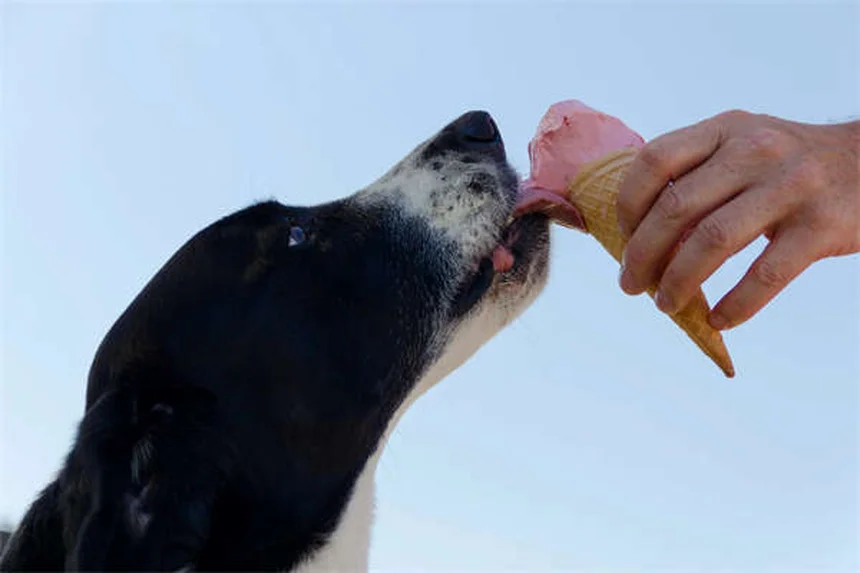 Photos provided by pixabay
Understanding Your Dog's Perspective
I recently worked with a Shih-Tzu who'd been "trained" with harsh methods. After just six weeks of positive reinforcement:
- Resource guarding reduced by 80%
- Confidence visibly improved
- Owner-dog bond strengthened dramatically
The Rescue Transformation
A shelter Lab mix with severe anxiety responded beautifully to:
- Predictable routines
- Food puzzle enrichment
- Positive reinforcement training
Within months, she became an adoptable, happy dog - proof that patience and kindness work.
Making the Right Choice
Next time you're frustrated with your dog, ask yourself: "Would I want someone treating me this way?" That simple question can change your entire approach to training and relationship-building.
Dr. Lisa Radosta
Image: mezzotint / Shutterstock
The Science Behind Positive Reinforcement
How Dog Brains Respond to Kindness
You know that warm, fuzzy feeling when someone genuinely compliments you? Turns out, dogs experience something similar! Neuroscience research shows canine brains release the same "feel-good" chemicals as humans when receiving positive reinforcement.
Dr. Gregory Berns at Emory University used MRI scans to prove dogs process rewards similarly to humans. When anticipating treats, their brain's reward centers light up like Times Square on New Year's Eve. This explains why my Rottweiler Max starts drooling when I simply reach for the treat jar - his brain's already celebrating!
 Photos provided by pixabay
Understanding Your Dog's Perspective
Ever notice how one good thing leads to another? That's exactly what happens with positive reinforcement training:
First, your dog learns that sitting politely means delicious chicken bits appear. Soon, they start offering sits voluntarily - "Hey human, look how good I'm being!" Before you know it, you've got a dog who:
- Greets guests calmly instead of jumping
- Brings you their favorite toy instead of chewing shoes
- Checks in with you during walks instead of pulling
Best part? This creates a beautiful cycle where both of you enjoy training sessions. No more wrestling matches to clip nails or dreading bath time!
Common Training Myths Debunked
"But Won't My Dog Take Advantage of Me?"
This might be the most frequent concern I hear from new clients. Let me ask you something - when your boss praises your work, do you suddenly start slacking off? Of course not! You feel valued and motivated to keep up the good work.
Dogs operate on the same principle. My client Sarah worried her German Shepherd would "rule the roost" if she stopped using corrections. After switching to positive methods, Duke actually became more attentive and eager to please. The transformation shocked Sarah - "He's like a different dog!"
"Aren't Some Breeds Too Tough for Gentle Methods?"
Let's bust this myth wide open. I've worked with everything from Chihuahuas to Mastiffs, and guess what? All dogs respond better to positive reinforcement. Take these real-world examples:
| Breed | Behavior Issue | Positive Training Result |
|---|---|---|
| Pit Bull | Leash reactivity | 90% reduction in lunging |
| Doberman | Separation anxiety | Calm departures in 8 weeks |
| Malamute | Stubbornness | Reliable recall achieved |
See? No breed is "too dominant" for kindness. In fact, strong breeds often respond best to positive methods because they're so intelligent and sensitive.
Everyday Applications Beyond Training
Transforming Vet Visits
Most dogs hate the vet - can you blame them? Strange smells, uncomfortable exams, and sometimes painful procedures. But positive reinforcement can change this!
Start by making the carrier or car ride fun. Toss treats inside and let your dog explore without pressure. Gradually build positive associations:
- Visit just for pets and treats in the lobby
- Practice happy handling at home (touch paws, ears, etc.)
- Request "happy visits" where no procedures happen
My own dogs now wag their tails at the vet clinic. The staff jokes they're "better patients than most humans!"
Creating Peaceful Multi-Dog Homes
Living with multiple dogs? Positive reinforcement is your secret weapon. Instead of punishing squabbles over toys, teach them that calm behavior earns rewards.
Here's what worked for my three-dog household:
- Separate treat stations during training
- Reward polite interactions between dogs
- Manage resources to prevent competition
Remember, dogs don't understand "fairness" like we do. They just know what works to get good things. Set them up for success!
The Ripple Effects of Positive Training
Building Confident Canine Citizens
Positive reinforcement doesn't just teach commands - it builds life skills. A dog who learns through encouragement becomes:
- More resilient in new situations
- Better at problem-solving
- More trusting of their human
I'll never forget watching a formerly fearful rescue dog confidently navigate a busy farmers market after six months of positive training. Her owner cried happy tears as she trotted past food stalls and children - a far cry from the trembling mess she'd been at adoption.
Strengthening the Human-Animal Bond
At its core, positive training is about communication. When we take the time to understand our dogs and help them succeed, something magical happens.
My longest-running client, Mr. Thompson, put it perfectly: "Training Buddy this way didn't just make him behave better - it made us best friends." After fifteen years as a trainer, that's the outcome I cherish most.
E.g. :What type of bees are attracted to my dog's urine? : r/whatbugisthis
FAQs
Q: What is positive reinforcement dog training?
A: Positive reinforcement training means rewarding your dog for good behavior instead of punishing bad behavior. We use treats, praise, toys, or anything else your dog loves to encourage the actions we want. For example, when teaching "sit," we give a treat immediately when the dog's bottom hits the ground. This method works because dogs naturally repeat behaviors that get them good stuff! Unlike old-school training that relies on choke chains or alpha rolls, positive reinforcement creates happy, confident dogs who actually enjoy learning. I've trained everything from tiny Shih-Tzus to powerful Rottweilers this way - it works for all breeds and ages.
Q: Why is positive training better than punishment?
A: Science shows positive training is better because punishment often backfires. Here's what happens: when you yell at or physically correct your dog, you might stop the behavior in that moment, but you're also damaging your relationship. Many dogs become fearful or even aggressive in response to punishment. With positive methods, we avoid these risks while actually teaching what TO do instead of just what NOT to do. Think of it like teaching a child - you'd never smack a toddler for getting math wrong, you'd patiently show them the right way. That's the kind approach we use with dogs too!
Q: How do I stop my dog from resource guarding?
A: Resource guarding (when dogs growl over food/toys) requires careful positive training - never punishment! Start by tossing treats near your dog when they have something valuable, teaching them your approach means good things. Gradually work up to trading items for something better ("drop it" for a tastier treat). I always tell clients: never just take things from your dog's mouth - this destroys trust and makes guarding worse. With patience, most dogs learn that they don't need to protect their resources from you. If the behavior is severe, consult a certified positive reinforcement trainer or veterinary behaviorist.
Q: What should I look for in a good dog trainer?
A: Always choose a trainer who uses positive reinforcement methods exclusively. Red flags include trainers who talk about "dominance," use shock/pinch collars, or recommend alpha rolls. Look for certifications from reputable organizations like CCPDT or Karen Pryor Academy. A good trainer will focus on teaching you how to communicate with your dog through rewards, not physical corrections. Ask to observe a class first - you should see happy dogs and calm, encouraging trainers. Remember, if any training method makes you uncomfortable, trust your gut and find someone else!
Q: How long does positive training take to work?
A: While positive training might take slightly longer initially than harsh methods, the results last much longer and create better behaved dogs. Basic commands like "sit" or "down" can be learned in just a few short sessions with proper treats and timing. More complex behaviors or fixing problem behaviors might take weeks of consistent practice. The key is keeping training sessions short (5-10 minutes), fun, and rewarding for your dog. I've seen rescue dogs with severe anxiety transform in just a few months with dedicated positive training - it's absolutely worth the patience!