
What is meclizine for dogs and is it safe? The answer is: Meclizine is a game-changing medication that helps prevent motion sickness and treats balance issues in dogs, but you need to use it correctly. As a pet owner who's dealt with car-sick pups myself, I can tell you this medication can be a lifesaver for road trips - but only when used properly under veterinary guidance.Here's the deal: while meclizine works wonders for many dogs, it's not FDA-approved for veterinary use (though vets can prescribe it off-label). The small breed version of NausX® contains meclizine, but the large breed formula uses a different ingredient. I'll walk you through everything you need to know about dosage, side effects, and when to call your vet - because your furry friend's safety always comes first!
E.g. :How Do Horses Show Affection? 6 Heartwarming Signs They Love You
Advertisement
- 1、What Exactly Is Meclizine and Why Should You Care?
- 2、How Does This Miracle Worker Actually Function?
- 3、Giving Meclizine to Your Furry Friend
- 4、Possible Side Effects: What to Watch For
- 5、Uh-Oh: Overdose Information
- 6、Storing Meclizine Like a Pro
- 7、Your Burning Questions Answered
- 8、Beyond the Basics: Exploring Meclizine's Hidden Gems
- 9、The Great Debate: Natural Alternatives vs. Meclizine
- 10、Real-Life Success Stories That'll Warm Your Heart
- 11、Answering Those Burning "What If" Questions
- 12、The Future of Motion Sickness Treatment
- 13、FAQs
What Exactly Is Meclizine and Why Should You Care?
The Lowdown on This Motion Sickness Fighter
Picture this: you're taking your dog on a road trip, but Fido gets carsick every single time. That's where meclizine comes in! This handy medication helps prevent motion sickness in dogs and treats dizziness caused by vestibular disease (that's fancy talk for balance problems).
Here's something interesting - while NausX® for medium and large dogs contains dimenhydrinate, the small dog version actually uses meclizine. It's like getting a kids' meal versus an adult portion at a restaurant - same concept, different sizes!
Human vs. Pet Use: What's the Deal?
You might recognize meclizine from human medications like Antivert® or Dramamine® Less Drowsy. But here's the kicker - while it's FDA-approved for humans, it's not officially approved for pets. However, vets can still prescribe it "off-label" when needed. Think of it like using baking soda to clean your fridge - not what it was originally made for, but it works great!
Sometimes your vet might recommend a compounded version of meclizine. This is like getting a custom-made suit instead of buying off the rack - perfect for pets who can't swallow pills or need special dosages.
How Does This Miracle Worker Actually Function?
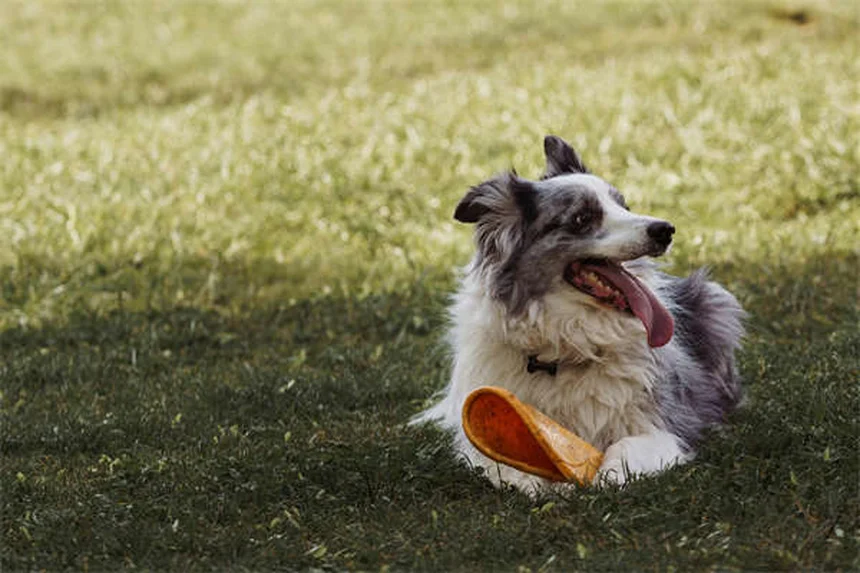 Photos provided by pixabay
The Science Behind the Magic
Meclizine works by blocking certain chemical messages in your pet's gut from reaching the "vomit center" in their brain. Imagine it like a bouncer at a club, stopping unwanted guests (nausea signals) from getting in!
But wait - is meclizine right for every pet? Absolutely not! Some medical conditions don't play nice with this medication, which is why you should always consult your vet first.
Drug Interactions: The Party Crashers
Just like some people don't mix well at parties, meclizine doesn't always get along with other medications. Your vet can help you avoid any unwanted "social interactions" between drugs.
Giving Meclizine to Your Furry Friend
Dosage Directions Made Simple
Always follow your vet's instructions, but generally you can give meclizine with or without food. Though if your pet has a sensitive stomach, food can help - kind of like eating crackers when you're seasick!
For motion sickness, timing is everything. Your vet might suggest giving it before travel, similar to how you'd take allergy meds before pollen season hits.
 Photos provided by pixabay
The Science Behind the Magic
Forgot to give your pet their meds? Don't panic! Usually you can give it when you remember, unless it's almost time for the next dose. And whatever you do, don't double up - that's like giving your pet two dinners when they only need one!
Possible Side Effects: What to Watch For
The Common Culprits
Most pets tolerate meclizine well, but some might experience:
- Sleepiness (perfect for long car rides!)
- Dry eyes (keep those doggy tears flowing)
- Fast heart rate (no need for puppy cardio)
Here's a quick comparison of side effects in dogs vs humans:
| Side Effect | Dogs | Humans |
|---|---|---|
| Drowsiness | Common | Common |
| Dry Mouth | Rare | Common |
| Fast Heart Rate | Possible | Rare |
When to Sound the Alarm
Call your vet immediately if you notice severe reactions or if your pet's condition worsens. Remember, you know your pet better than anyone - trust your gut!
Uh-Oh: Overdose Information
 Photos provided by pixabay
The Science Behind the Magic
Ever eaten too much candy and felt awful? That's kind of what an overdose feels like for pets. Signs range from drowsiness to seizures in severe cases.
If you suspect an overdose, act fast! Here are two emergency numbers to keep handy:
- Pet Poison Helpline: (855) 764-7661
- ASPCA Animal Poison Control: (888) 426-4435
Storing Meclizine Like a Pro
Keeping It Fresh
Store meclizine at room temperature (68-77°F) - about the same comfort zone you'd want for yourself! Keep it in a dry place away from light, just like you'd protect your favorite snacks.
And of course, keep it out of reach of pets and kids. Because let's face it - if your dog could open the medicine cabinet, they'd probably eat everything in there!
Your Burning Questions Answered
Is Meclizine the Same as Dramamine®?
Here's where it gets tricky - regular Dramamine® uses dimenhydrinate, while the "Less Drowsy" version uses meclizine. It's like comparing apples to... well, slightly different apples!
How Fast Does It Work?
While we don't have exact studies for dogs, meclizine typically kicks in within about an hour. That's faster than most pizza delivery!
Did you know that no one writing this article got paid by drug companies? We're just pet lovers sharing info we've gathered from reliable sources.
Beyond the Basics: Exploring Meclizine's Hidden Gems
The Unexpected Benefits You Never Knew About
While we all know meclizine helps with motion sickness, did you know some vets use it for anxiety-related nausea too? That's right - if your pup gets queasy during thunderstorms or fireworks, this little pill might be their new best friend. It's like having a security blanket in medication form!
Here's a fun fact that'll blow your mind: meclizine might help with certain types of vertigo in pets. Imagine your dog doing the "drunken sailor" walk after an ear infection - that's when this medication can really shine. Who knew one drug could wear so many hats?
The Travel Companion You Didn't Know You Needed
Planning a cross-country move with your cat? Meclizine could be your MVP. Unlike some medications that make pets completely zonked out, this one often provides relief while keeping them alert enough to enjoy the adventure. It's the difference between sleeping through your vacation photos and actually being in them!
But here's something wild - some pet owners report it helps with altitude sickness too. Next time you're taking Fluffy to the mountains, you might want to pack this along with the treats and toys. Talk about a multi-tasker!
The Great Debate: Natural Alternatives vs. Meclizine
When Ginger Just Doesn't Cut It
We've all heard about using ginger for nausea, but let's be real - try getting a cat to eat ginger snaps! While natural remedies have their place, sometimes you need the big guns. Meclizine works on a physiological level that herbs just can't match, especially for severe cases.
Ever wondered why some pets respond better to medication than others? It's all about individual biochemistry - just like how some people can drink coffee at night and sleep like babies, while others get wired from decaf!
The Cost Comparison That Might Surprise You
Let's talk dollars and sense - here's how meclizine stacks up against other options:
| Option | Average Cost | Effectiveness | Ease of Use |
|---|---|---|---|
| Meclizine | $10-$30/month | High | Easy (pill form) |
| Ginger Supplements | $15-$40/month | Moderate | Challenging (taste issues) |
| Acupressure | $50-$100/session | Variable | Requires professional |
See what I mean? Sometimes the medication route is actually more practical and affordable than you'd think!
Real-Life Success Stories That'll Warm Your Heart
From Carsick Puppy to Road Trip Warrior
I'll never forget Max, the golden retriever who used to puke every time his family drove around the block. After starting meclizine, they took a 12-hour road trip with zero incidents! Now Max actually gets excited when he sees the car keys - talk about a transformation!
Then there's Whiskers, the Persian cat who developed vertigo after an ear infection. Her owner described her as "walking like she'd had three martinis" before treatment. Two days on meclizine and she was back to her graceful, judgmental self - stalking toys and knocking things off tables like nothing happened!
The Senior Pet Renaissance
Older pets with balance issues often get a new lease on life with this medication. I've seen 14-year-old dogs who were afraid to walk suddenly regain their confidence. It's not just about stopping nausea - it's about restoring dignity and quality of life. Now that's something worth celebrating!
Answering Those Burning "What If" Questions
What If My Pet Is Super Tiny?
Great question! For teacup breeds or kittens, vets often use liquid compounded versions where they can measure tiny, precise doses. It's like using an eyedropper instead of a measuring cup - same ingredient, just scaled way down!
And here's a pro tip: if your vet recommends a quarter or half tablet, invest in a good pill cutter. Trying to eyeball it with a butter knife is a recipe for disaster - trust me, I've been there!
What If We're Traveling Internationally?
Now this is important - always check local laws before traveling with medications! Some countries have strict rules about bringing in drugs, even common ones like meclizine. A quick call to the embassy can save you from an awkward conversation at customs!
Pro move: ask your vet for a travel letter explaining why your pet needs the medication. It's like a hall pass for pharmaceuticals - "Excuse Mittens for having drugs, she has a note!"
The Future of Motion Sickness Treatment
New Research on the Horizon
Scientists are currently studying whether combining meclizine with other therapies could help pets with chronic balance disorders. Imagine a world where old dogs really CAN learn new tricks - thanks to cutting-edge medicine!
There's even talk about developing long-acting formulations that could provide relief for days with a single dose. No more remembering to give pills right before travel - wouldn't that be amazing?
High-Tech Solutions Coming Down the Pike
Some companies are working on wearable devices that detect early signs of nausea and administer medication automatically. Picture a smart collar that knows your dog's about to get sick before even they do! The future is looking bright (and puke-free) for our furry friends.
At the end of the day, whether you choose meclizine or another solution, the important thing is that you're paying attention to your pet's comfort. Because let's face it - they'd do the same for us if they could!
E.g. :Meclizine | VCA Animal Hospitals
FAQs
Q: Can I give my dog human meclizine like Bonine or Dramamine?
A: Hold up! While human meclizine products like Bonine® or Dramamine® Less Drowsy contain the same active ingredient, they're not formulated for dogs. The dosage can be very different, and human medications often contain additives that might not be safe for pets. Always consult your vet before giving any human medication to your dog. They can prescribe the correct veterinary formulation or determine if a compounded version would work better for your pup's specific needs.
Q: How long does meclizine take to work for car sickness in dogs?
A: Great question! While we don't have exact scientific studies on dogs, most vets agree that meclizine typically starts working within about 60 minutes after administration. That's why your vet might recommend giving it about an hour before travel. Pro tip from experience: combine meclizine with other motion sickness prevention methods like limiting food before travel and using a well-ventilated crate. The combo approach often works best!
Q: What are the most common side effects of meclizine in dogs?
A: Most dogs tolerate meclizine well, but some might experience drowsiness (which can actually be helpful for travel!), dry mouth, or occasionally a faster heart rate. These effects are usually mild, but you should monitor your dog closely after the first dose. If you notice anything more serious like difficulty breathing, severe lethargy, or seizures, stop the medication immediately and call your vet. Remember - every dog is different, so what works for one might not work for another.
Q: Can puppies or pregnant dogs take meclizine?
A: Absolutely not. Meclizine isn't safe for puppies under 6 months old or pregnant dogs. Their developing systems can't handle the medication the same way adult dogs can. If your young pup or expecting mama dog is having motion sickness issues, talk to your vet about safer alternatives. There are other ways to manage these situations that won't risk the health of developing puppies.
Q: What should I do if I accidentally give my dog too much meclizine?
A: First - don't panic! But do act quickly. Signs of overdose include extreme drowsiness, vomiting, rapid heart rate, or in severe cases, seizures. If you suspect an overdose, call your vet immediately or contact animal poison control (Pet Poison Helpline at 855-764-7661 or ASPCA Animal Poison Control at 888-426-4435). Keep the medication package handy so you can tell them exactly what and how much your dog ingested. Prevention is best though - always double-check doses and use a pill organizer if needed!