
Why is dog walking important? The answer is simple: regular dog walks are absolutely essential for both you and your furry friend's health! Studies show dog owners who walk their pets get 34% more exercise than non-dog owners, significantly reducing risks of diabetes and high blood pressure. But let's be honest - when walks become routine, they can feel more like a chore than the joyful bonding experience they should be. That's why we've put together these 8 creative dog walking tips to transform your daily strolls into adventures you'll both look forward to. Whether it's letting your pup choose the path or turning walks into training sessions, these simple changes will make your walks the highlight of your day!
E.g. :Friesian Horse Guide: Care, Health & Training Tips
Advertisement
- 1、Why Dog Walking Matters More Than You Think
- 2、Let Your Dog Be the GPS
- 3、Location, Location, Location!
- 4、Turning Walks Into Bonding Time
- 5、Social Hour For Pups
- 6、The Hidden Social Benefits of Dog Walking
- 7、Environmental Perks You Never Considered
- 8、The Unexpected Career Benefits
- 9、The Simple Joys We Often Overlook
- 10、FAQs
Why Dog Walking Matters More Than You Think
The Health Benefits You Can't Ignore
Did you know your daily dog walks are doing way more than just giving your pup bathroom breaks? We're talking serious health perks here - for both of you! Research from Michigan State University shows dog owners exercise 34% more than non-dog owners, hitting that sweet spot of 150 weekly minutes without even trying.
Here's the real kicker: Regular dog walkers report lower rates of Type 2 diabetes and high blood pressure. Dr. Bruce Silverman from Village West Veterinary puts it perfectly: "It's the ultimate two-for-one deal - exercise and bonding time rolled into one."
When Walks Become a Chore
But let's be real - when you're trudging the same route for the 500th time, even Fido starts looking bored. That's when we need to get creative. I've got eight game-changing ideas to transform your walks from "meh" to "woohoo!"
Let Your Dog Be the GPS
 Photos provided by pixabay
Why Your Pup Should Choose the Path
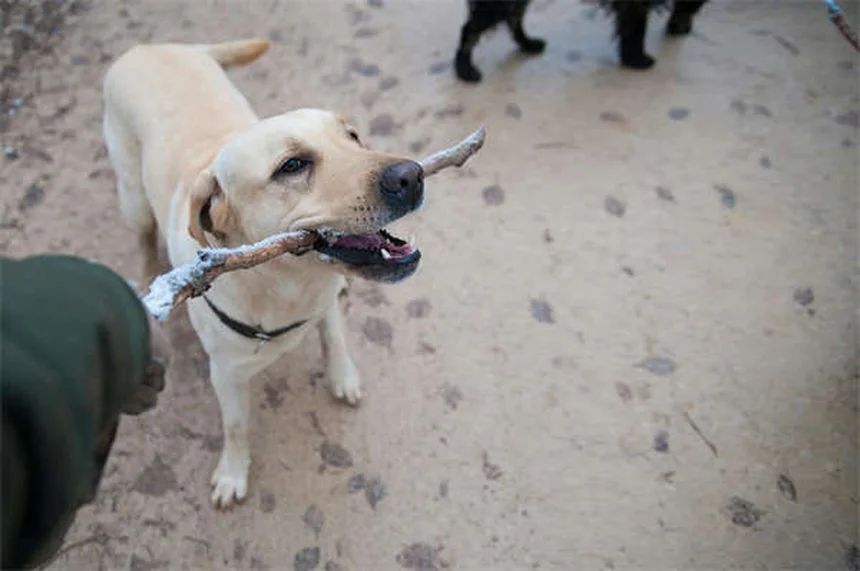
Who says you have to decide the route? John D. Visconti from Rising Star Dog Training suggests: "Hand over the reins (literally!) and let your dog's nose lead the way." New smells mean new adventures - and a mentally stimulated pup is a happy pup.
Think about it - would you want to watch the same movie every day? Neither does your dog. Switching routes keeps their curious minds engaged with fresh scents and sights.
Treats: The Ultimate Walking Motivator
Here's a no-brainer: food makes everything better. Celebrity trainer Joel Silverman swears by bite-sized treats during walks. "It's like giving your dog little high-fives along the way," he says. Just remember - we're aiming for pep, not a pup paunch!
| Treat Type | Pros | Cons |
|---|---|---|
| Bil-Jac Little Jacs | Perfect size, great taste | Easy to overdo |
| Carrot pieces | Healthy, low-cal | Not all dogs love veggies |
Location, Location, Location!
Beyond Your Block
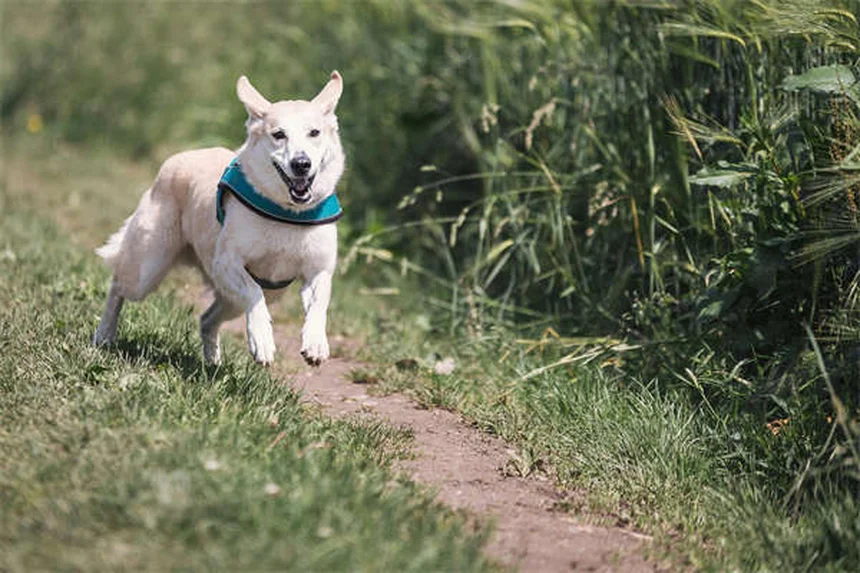
Ever considered your dog might be a travel bug? Weekend adventures don't require a plane ticket - just hop in the car to explore new parks or trails. Dr. Silverman notes: "New environments provide mental stimulation that's just as important as physical exercise."
Here's a challenge: Can you name five dog-friendly spots within 20 minutes of your home? If not, you've got some exploring to do!
 Photos provided by pixabay
Why Your Pup Should Choose the Path
Why walk when you can... well, walk differently? Visconti suggests: "Throw in some speed variations - it's like interval training for pups!" Try suddenly saying "Let's go!" and picking up the pace. Your dog will think it's the best game ever.
Pro tip: Hands-free leashes are game-changers for jogging with your buddy. Just imagine - you getting fit while your dog thinks you're playing!
Turning Walks Into Bonding Time
Training On The Go
Every walk is a classroom waiting to happen. "Sit" at curbs, "wait" before crossing - these mini-lessons reinforce good behavior while making walks more engaging. High-value treats make it feel like a party, not homework.
Remember that time your dog learned a new trick? That proud feeling multiplies when training happens during your daily walks.
Switch Up Walking Buddies
Here's something we often forget: dogs bond with whoever walks them. Joel Silverman puts it bluntly: "If only one person walks the dog, that's the only person the dog truly listens to." Rotate walkers in your household - your pup will love the variety!
Social Hour For Pups
 Photos provided by pixabay
Why Your Pup Should Choose the Path
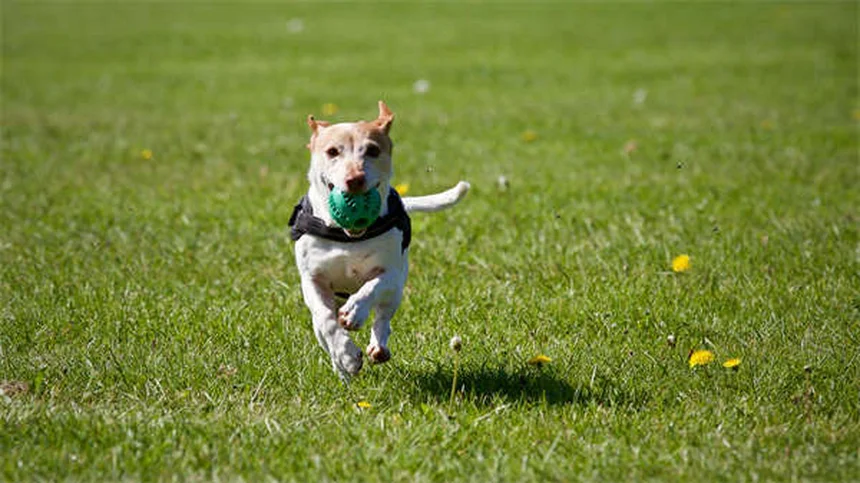
Is your dog the social butterfly type? Organize neighborhood pack walks! Silverman advises: "As long as the dogs know each other, group walks become mobile playdates." Just imagine the tails wagging when friends come along!
Ever noticed how dogs mirror each other's energy? A group walk often turns into the happiest parade on four legs.
Let Your Inner Puppy Out
When was the last time you acted silly with your dog? Visconti urges: "Sing! Dance! Be goofy!" Your dog doesn't care if you're off-key - they just love sharing joyful moments with you.
Here's a thought: What if we approached walks with the same excitement as our dogs? We'd probably have way more fun. Next walk, try matching your pup's energy - you might just rediscover the simple joy of being present.
The Hidden Social Benefits of Dog Walking
Making New Human Friends
You know what's better than one dog lover? A whole community of them! When I started taking my golden retriever Max to the park, I never expected to make three new close friends. Turns out, dog parks are the ultimate icebreakers - everyone's already got something in common!
Here's a fun fact: A University of Western Australia study found that dog owners are five times more likely to know their neighbors than non-dog owners. Those daily walks create natural opportunities for "Hey, cute dog!" conversations that can blossom into real friendships.
Dog Walking as Therapy
Ever notice how strangers smile when they see your pup? That's not just your imagination. Therapy dogs in hospitals prove animals have healing powers, but you don't need certification to spread joy. My neighbor Mrs. Jenkins says seeing Max's wagging tail is the highlight of her day when she's feeling lonely.
Why do you think nursing homes love dog visits so much? Because that unconditional love and simple companionship works wonders for mental health - both for the residents and for us walkers!
Environmental Perks You Never Considered
Paws for the Planet
Here's something cool - when you walk your dog instead of driving to doggy daycare, you're actually helping the environment! One less car trip means cleaner air for everyone. I calculated that walking Max saves about 200 car miles per month compared to driving him to the play park across town.
And get this - those little "presents" your dog leaves behind? If you use biodegradable bags (which you totally should), they break down way faster than plastic. It's a small thing, but multiply that by millions of dog owners and suddenly we're making a real difference!
Discovering Your Neighborhood's Secrets
Before getting a dog, I never noticed the hidden trails behind our subdivision or that awesome little bakery with the dog treats. Dog walking turns you into an expert on your local area in ways Google Maps never could. Last month, Max's nose led us to a community garden I never knew existed!
| What You Notice Without Dog | What You Discover With Dog |
|---|---|
| Main roads and shops | Hidden trails and shortcuts |
| Other people's faces | Which neighbors have dogs/kids/treats |
| Traffic lights | Best sniffing spots and squirrel hangouts |
The Unexpected Career Benefits
Networking on Four Legs
You won't believe this, but my current job came from a dog walk! I was chatting with a fellow dog owner about work frustrations, and next thing I know, he's introducing me to his company's HR manager. Dogs are the ultimate networking tools - people let their guard down when there's a happy pup around.
Think about it - when was the last time you struck up a conversation with a stranger holding a briefcase versus one holding a leash? Exactly! Those casual dog park chats can lead to business opportunities you'd never get in stuffy networking events.
Developing Leadership Skills
Training a dog to walk nicely on leash teaches you more about leadership than any corporate seminar. You learn patience, consistency, and clear communication - all skills that translate directly to the workplace. My boss actually complimented my improved delegation skills after six months of training Max!
Here's a challenge: Try explaining to your dog why they shouldn't chase squirrels using only positive reinforcement. If you can do that, you can definitely handle difficult coworkers!
The Simple Joys We Often Overlook
Rediscovering Childhood Wonder
Remember how exciting the world seemed when you were a kid? Dogs never lose that. Watching Max discover a new smell or texture reminds me to appreciate life's small wonders. Yesterday he spent five minutes fascinated by a falling leaf - when was the last time you did that?
Why do you think kids and dogs get along so well? Because they share that sense of curiosity and joy in everyday things that we adults often forget to notice.
Unplugging in a Connected World
In our phone-obsessed world, dog walks force us to disconnect. No emails, no social media - just you, your pup, and the great outdoors. My wife says our evening walks are the only time I'm not checking my phone, and she's right. That 30 minutes of digital detox does wonders for my mental clarity.
Here's a radical idea: Next walk, leave your phone at home (gasp!). Just you, your dog, and the sounds of nature. You might be surprised how refreshing it feels to be truly present for once!
E.g. :What's the right way to do “fun walks”? : r/reactivedogs
FAQs
Q: How often should I walk my dog?
A: Most dogs need at least one good walk per day, but the ideal frequency depends on your dog's breed, age, and energy level. High-energy breeds might need two or three walks daily, while older dogs might do fine with shorter, more frequent outings. We recommend starting with two 15-30 minute walks daily and adjusting based on your dog's behavior. Remember, walks aren't just about exercise - they're crucial for mental stimulation too. If your dog seems restless or destructive between walks, they probably need more outdoor time!
Q: What's the best time of day to walk my dog?
A: Morning walks are fantastic for starting your dog's day right, but evening strolls can help them wind down. We suggest trying different times to see what works best for your schedule and your pup's energy levels. Many dogs enjoy early morning walks when the world is quiet and smells are fresh. Just avoid walking in extreme heat - pavement can burn paws in summer! Pro tip: If you're walking before sunrise or after sunset, invest in reflective gear for both of you.
Q: How can I make dog walking more fun for me?
A: Turn your walk into an adventure! We love these ideas: listen to podcasts or audiobooks, use the time to call a friend, or challenge yourself to notice new things in your neighborhood. Try varying your route - you'll be surprised how different familiar places look from new angles. Our favorite trick? Bring a camera and document your walks. You'll start seeing your neighborhood through fresh eyes, just like your dog does!
Q: What should I bring on a dog walk?
A: Essentials include poop bags, water, and treats, but we recommend a few extras to enhance your walks. A hands-free leash can be game-changing, especially if you want to jog with your dog. Training treats are great for reinforcing good behavior, and portable water bowls keep your pup hydrated. In summer, consider paw protection wax, and in winter, dog booties can protect against salt and ice. Always have your phone for emergencies, but try to keep it in your pocket to stay present with your dog!
Q: My dog pulls on the leash - how can I fix this?
A: Consistent training is key to stopping leash pulling. We recommend stopping completely when your dog pulls and only moving forward when the leash is loose. Reward your dog with treats and praise when they walk nicely beside you. Front-clip harnesses can give you more control while you're training. Remember, it takes patience - most dogs don't learn overnight. Make training fun by turning it into a game, and soon you'll both enjoy walks much more!